About Iran Details
IRAN’S WORLD HERITAGE SITES
Iran is home to an extraordinary collection of historical monuments spanning thousands of years, from the ancient Persian civilization to the Islamic era. Magnificent palaces, mosques, gardens, bridges, caravanserais, windcatchers, and other architectural masterpieces reflect the country’s rich cultural heritage and artistic achievements.
Many of these remarkable landmarks have been inscribed on the UNESCO World Heritage List in recognition of their outstanding universal value. Together, they offer visitors a unique opportunity to explore one of the world’s oldest and most influential civilizations.
In this section, you will discover Iran’s UNESCO World Heritage Sites, each with its own fascinating history, architecture, and cultural significance.
✔️Iran UNESCO World Heritage Sites
Iran is home to 30 UNESCO World Heritage Sites, including 28 cultural and 2 natural properties. Ranked among the world’s leading countries for UNESCO-listed heritage, Iran offers an extraordinary journey through thousands of years of history, architecture, culture, and natural beauty. (UNESCO World Heritage Centre)
 Alamūt Castle and Related Fortifications
The latest addition to Iran’s UNESCO World Heritage Sites, Alamūt Castle and Related Fortifications, represents one of the most remarkable examples of Iran’s historical and cultural heritage.
Located in the Alborz Mountains of Qazvin Province, this legendary fortress dates back to the 11th century and played a significant role as the center of the Nizari Ismailis during the Seljuk period. Built on a dramatic mountain peak, Alamūt Castle demonstrates the remarkable adaptability and ingenuity of Iranian architecture in a challenging natural environment.
Surrounded by breathtaking landscapes, Alamūt offers visitors a unique journey through Iran’s history, culture, and architectural achievements.
Tchogha Zanbil
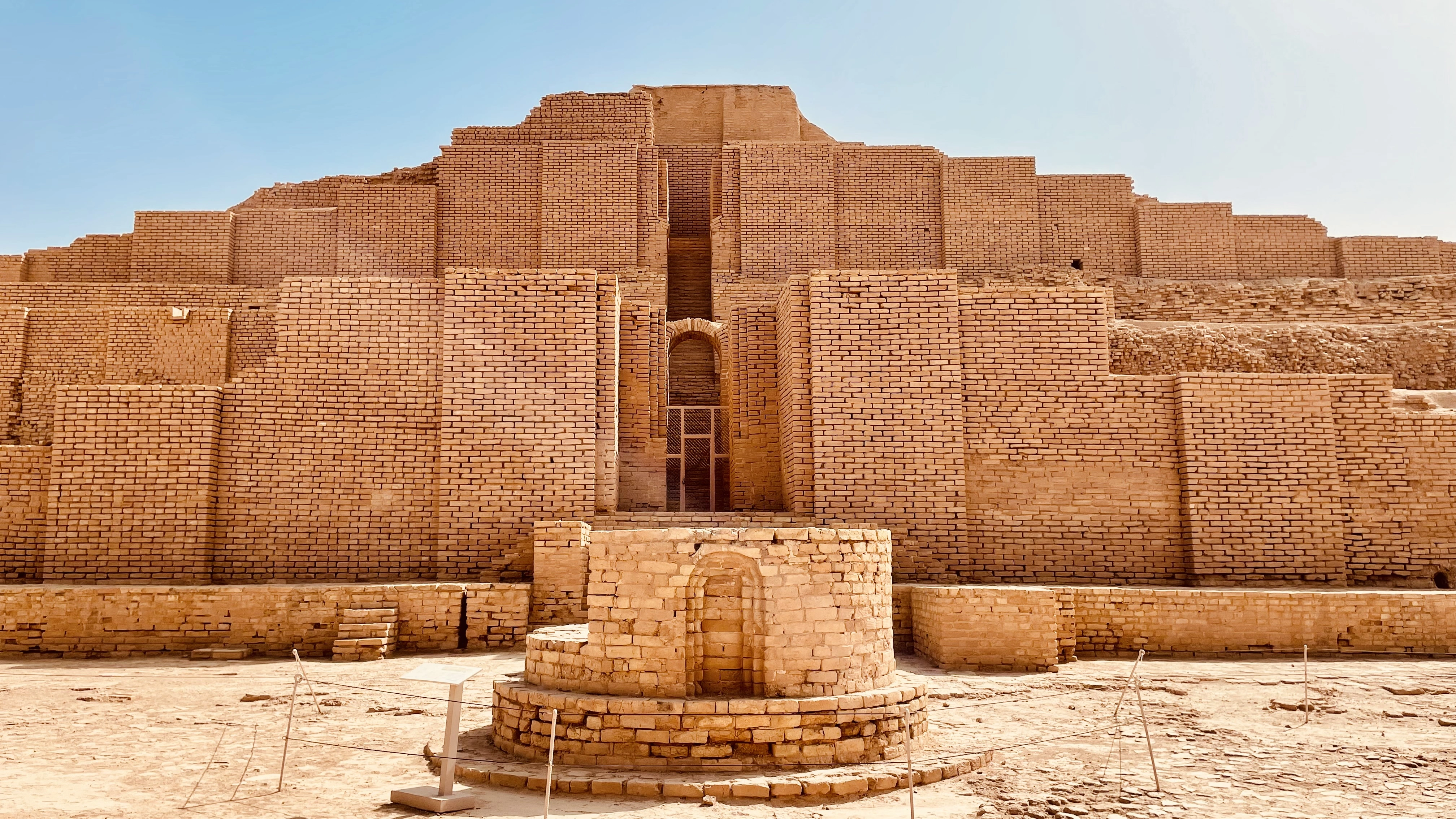
Chogha Zanbil is one of Iran’s most significant cultural and historical monuments and the first Iranian site to be inscribed on the UNESCO World Heritage List in 1979.
Located near the ancient city of Susa in Khuzestan Province, this magnificent ziggurat was built around 1250 BC by the Elamite king Untash-Napirisha as a sacred place dedicated to the worship of Inshushinak, the guardian god of Susa.
As one of the best-preserved ancient ziggurats in the world, Chogha Zanbil reflects the architectural skills, religious beliefs, and cultural achievements of the Elamite civilization.
Persepolis
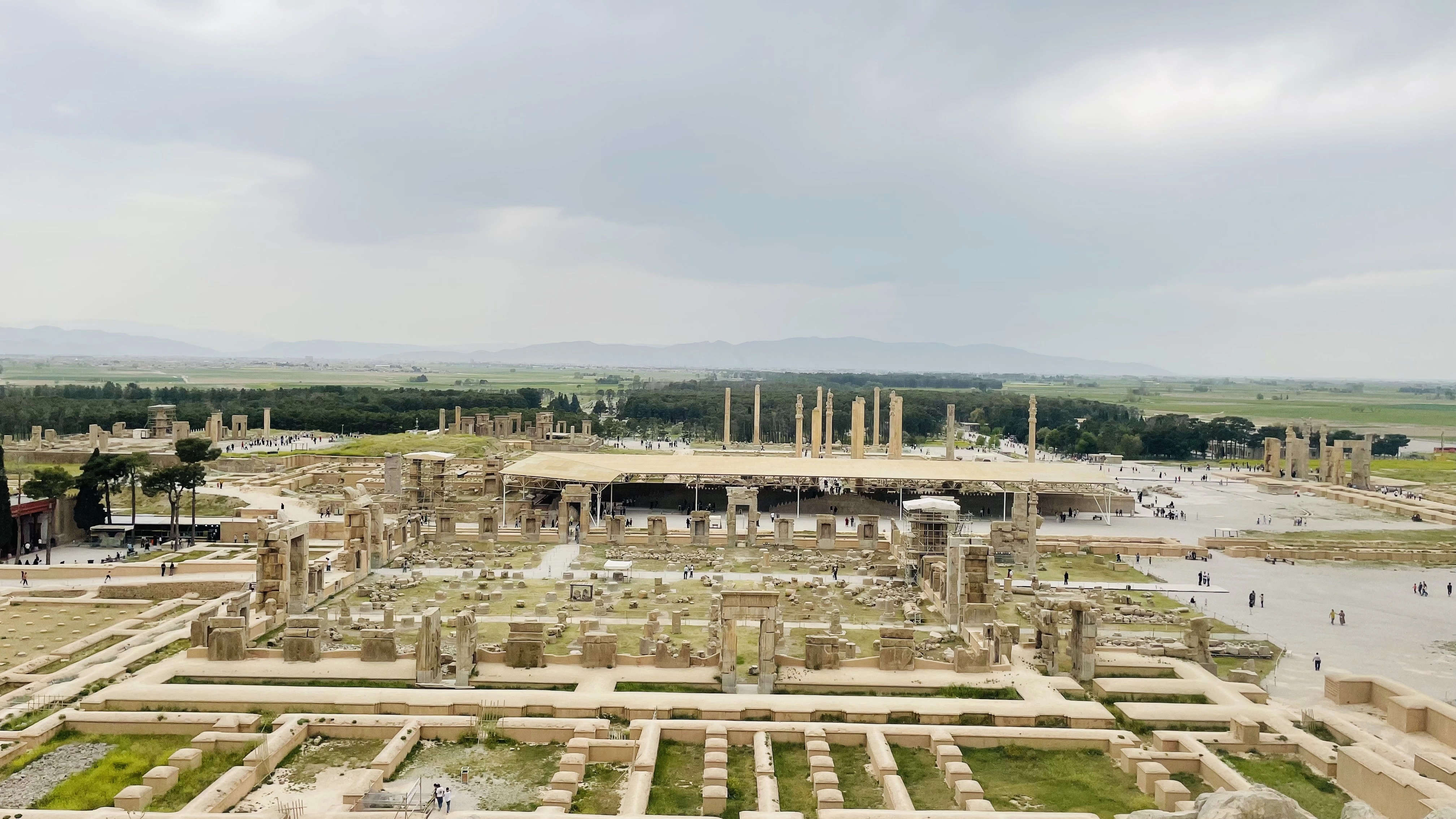
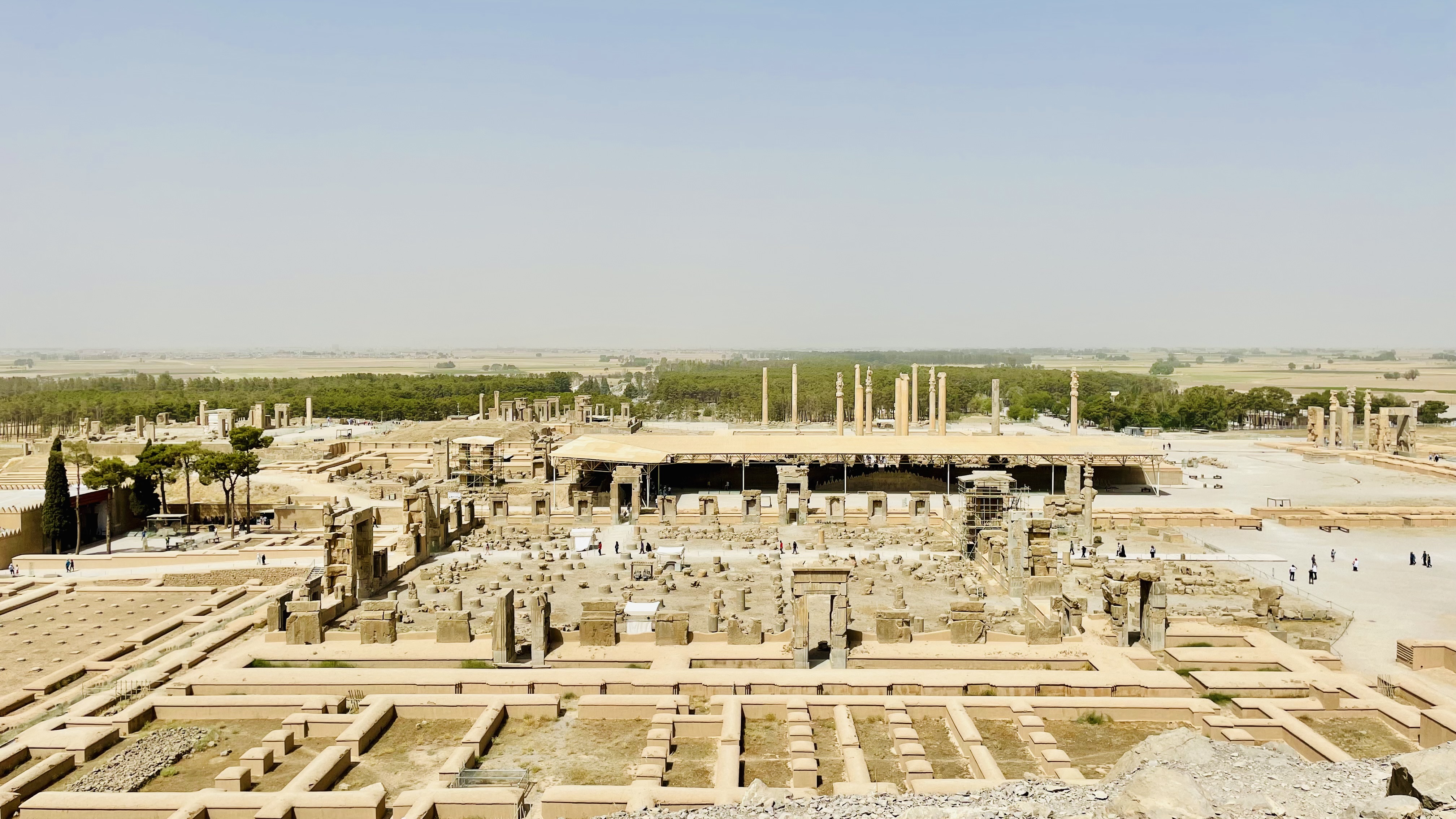
Persepolis, one of Iran’s most iconic UNESCO World Heritage Sites, is widely regarded as one of the greatest historical monuments of ancient Persia. Located near Marvdasht in Fars Province, this magnificent ancient ceremonial city consists of a series of grand palaces, impressive stairways, and remarkable stone reliefs.
Founded by Darius the Great in the Achaemenid period around 518 BC, Persepolis served as the ceremonial capital of the Persian Empire and a symbol of the power, art, and architectural achievements of one of the world’s greatest ancient civilizations.
Inscribed on the UNESCO World Heritage List in 1979, Persepolis remains one of Iran’s most extraordinary destinations for exploring the history and culture of ancient Persia.
Naqsh-e Jahan Square
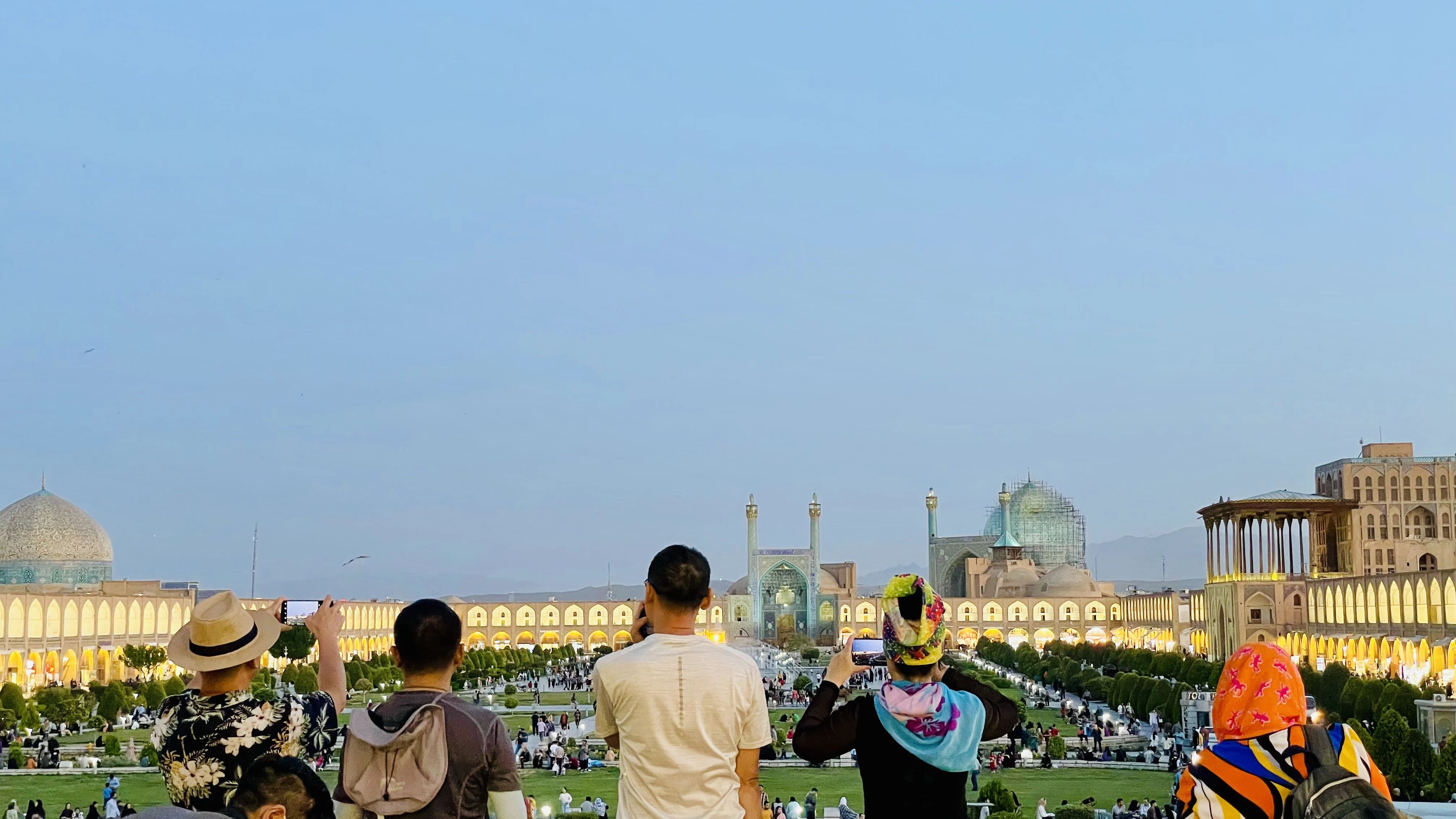
Naqsh-e Jahan Square, the magnificent heart of Isfahan, is one of Iran’s most celebrated UNESCO World Heritage Sites. Dating back to the Safavid era, this vast historic square reflects the glory, art, and architectural excellence of 17th-century Iran.
Surrounded by some of Isfahan’s most remarkable landmarks, including Sheikh Lotfollah Mosque, Imam Mosque, Ali Qapu Palace, and the historic Qeysari Bazaar, the square represents a unique combination of religious, royal, commercial, and cultural architecture.
Today, Naqsh-e Jahan Square remains one of Iran’s most visited destinations, welcoming travelers from around the world to experience the beauty and heritage of Isfahan.
Takht-e Soleyman
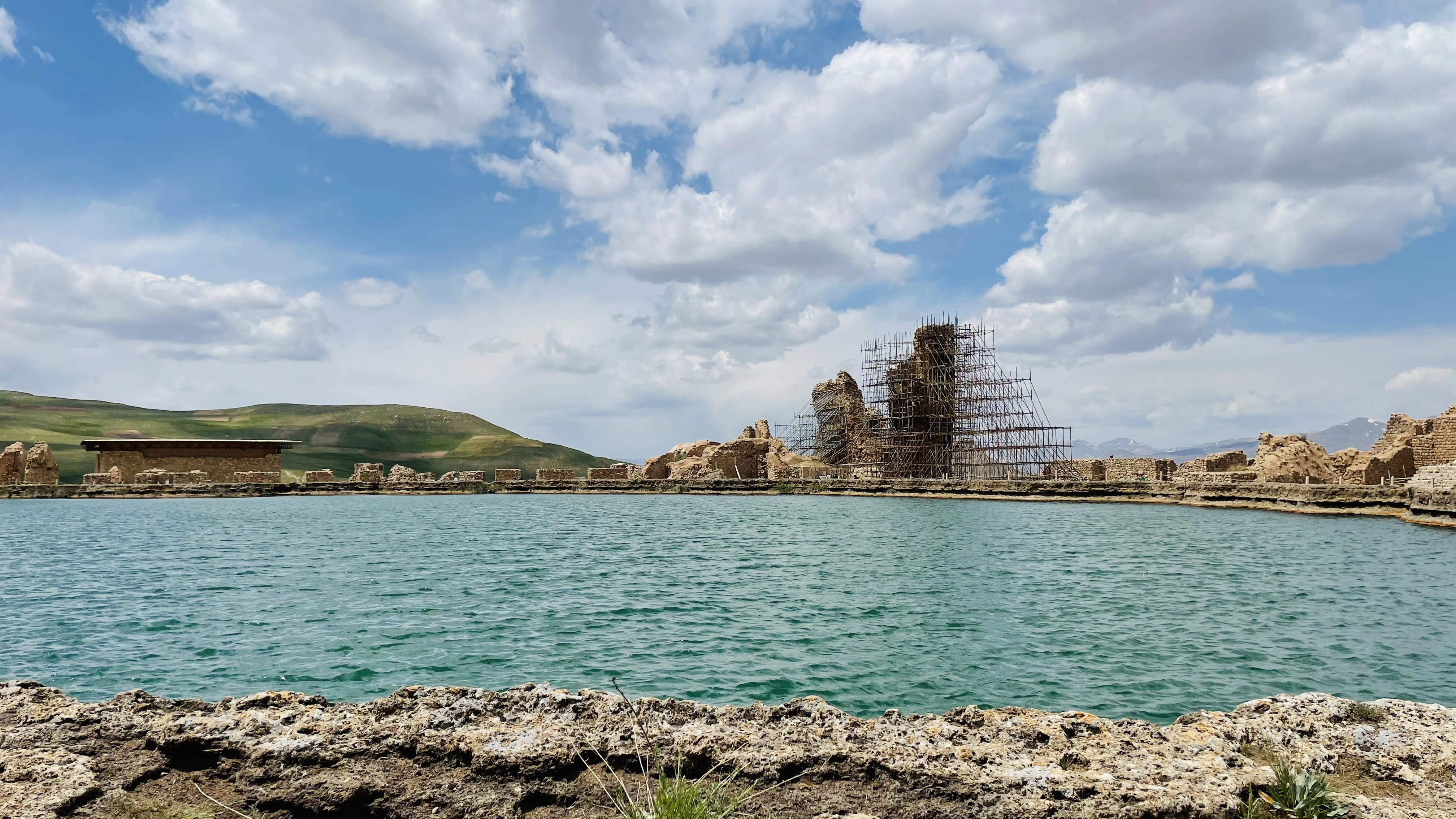
Takht-e Soleyman is one of Iran’s UNESCO World Heritage Sites, located approximately 45 kilometers from the city of Takab in West Azerbaijan Province. This remarkable archaeological complex contains the remains of structures from the Parthian, Sassanid, and Ilkhanid periods.
The site was once an important religious and cultural center, featuring the main Zoroastrian sanctuary, the Azargoshnasp Fire Temple, and the Temple of Anahita. Built around a naturally formed lake and surrounded by a dramatic landscape, Takht-e Soleyman reflects the spiritual significance, architectural achievements, and historical richness of ancient Iran.
Bam and Its Cultural Landscape
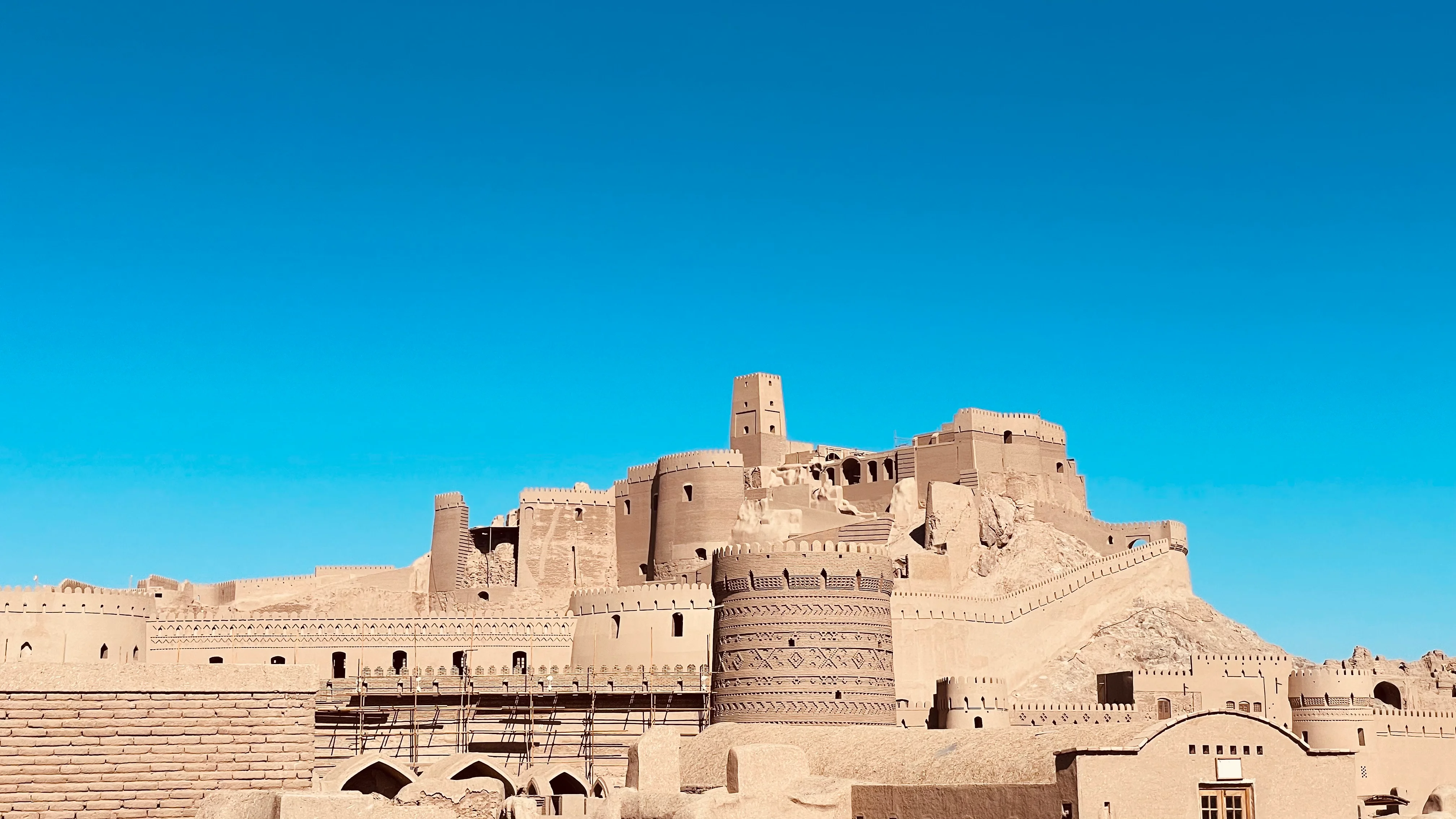
Bam Citadel, one of Iran’s UNESCO World Heritage Sites, is a remarkable example of ancient adobe architecture located in Kerman Province, in southeastern Iran.
Before the devastating earthquake of 2003, Bam Citadel was considered the largest adobe structure in the world, covering an area of more than 180,000 square meters. With a history dating back to the Parthian period and later developments through different historical eras, this impressive fortress-city reflects the ingenuity of Iranian architecture and the rich cultural heritage of the region.
Today, Bam and its Cultural Landscape stand as a symbol of resilience, history, and the enduring spirit of Iran’s ancient civilizations.
Pasargadae
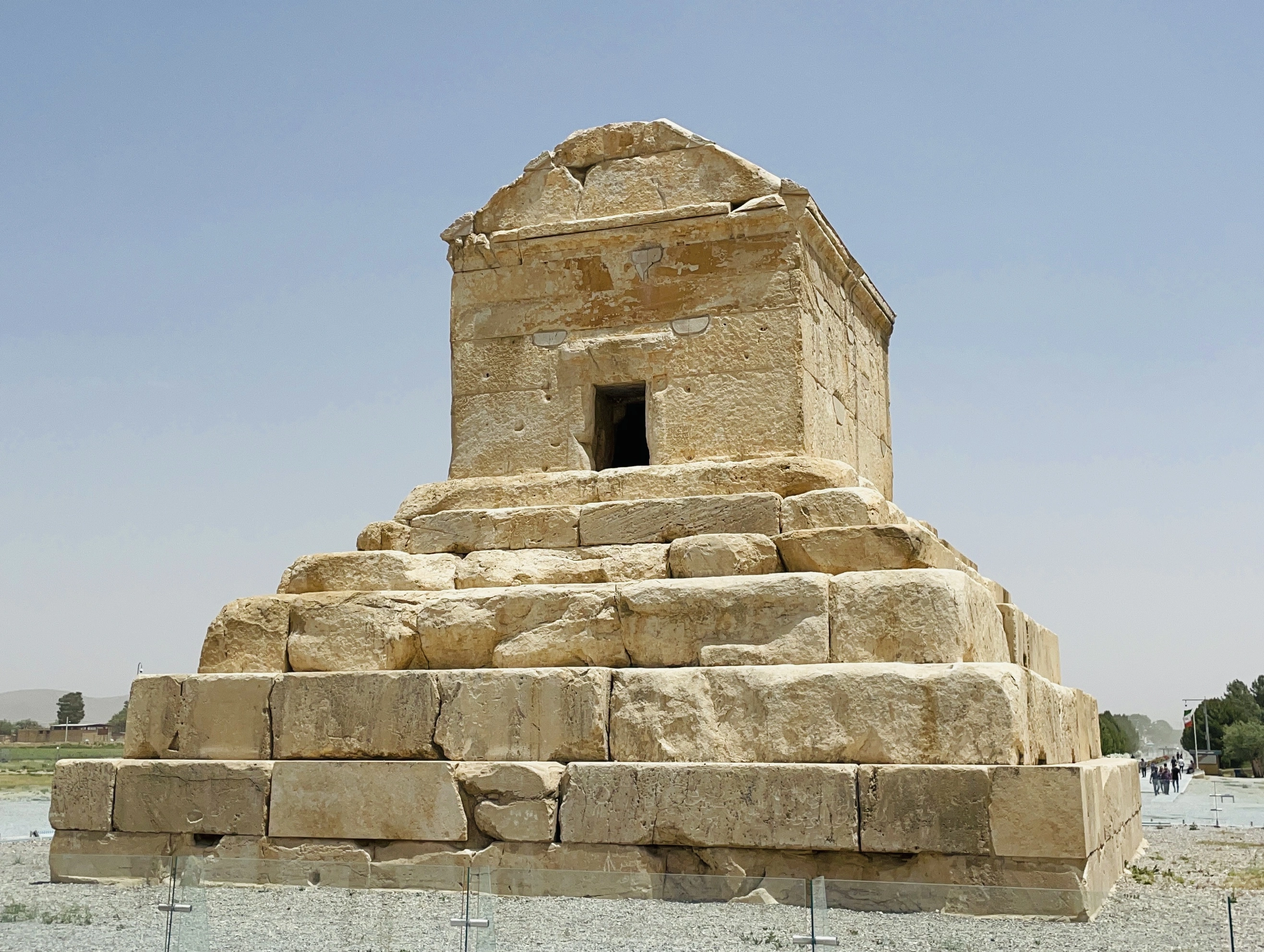
Pasargadae, one of Iran’s UNESCO World Heritage Sites, is an ancient historical complex and the first capital of the Achaemenid Empire. Located in Fars Province, this vast archaeological site includes remarkable monuments such as the Tomb of Cyrus the Great, the Gate Palace, the Audience Hall, the Private Palace, and the remains of the famous Pasargadae Gardens.
Founded by Cyrus the Great in the 6th century BC, Pasargadae reflects the vision, architectural achievements, and cultural values of the early Achaemenid period. The site stands as a lasting symbol of one of the greatest civilizations of the ancient world.
Soltaniyeh Dome
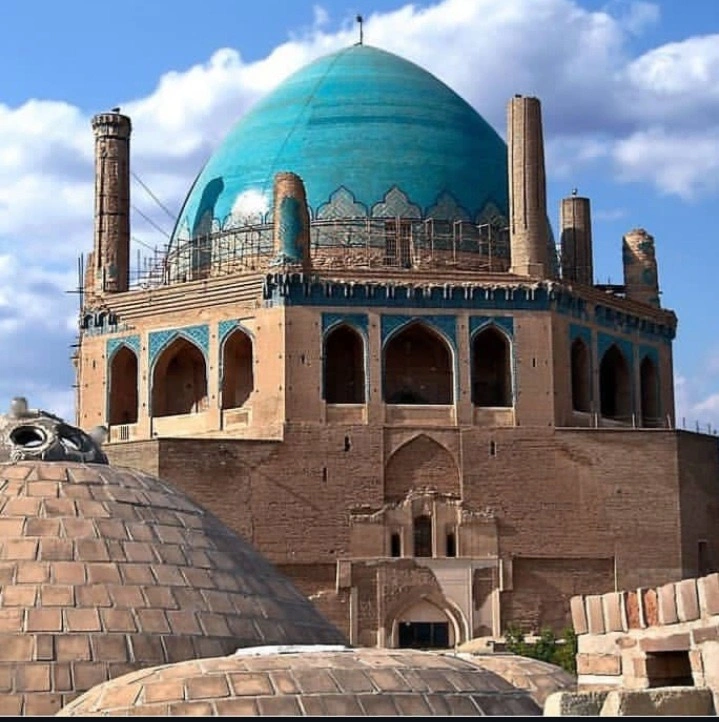
The Soltaniyeh Dome, located near the city of Zanjan, is one of Iran’s most remarkable UNESCO World Heritage Sites and a masterpiece of Islamic architecture.
Built in the early 14th century, this magnificent mausoleum was commissioned by Sultan Mohammad Khodabandeh (Oljeitu), the eighth ruler of the Ilkhanid dynasty. With its impressive turquoise-tiled dome, elegant architectural design, and innovative structure, the Soltaniyeh Dome represents one of the greatest achievements of Iranian architecture during the Islamic era.
Recognized for its outstanding cultural and architectural value, the Soltaniyeh Dome remains one of Iran’s most important historical landmarks.
Bisotun
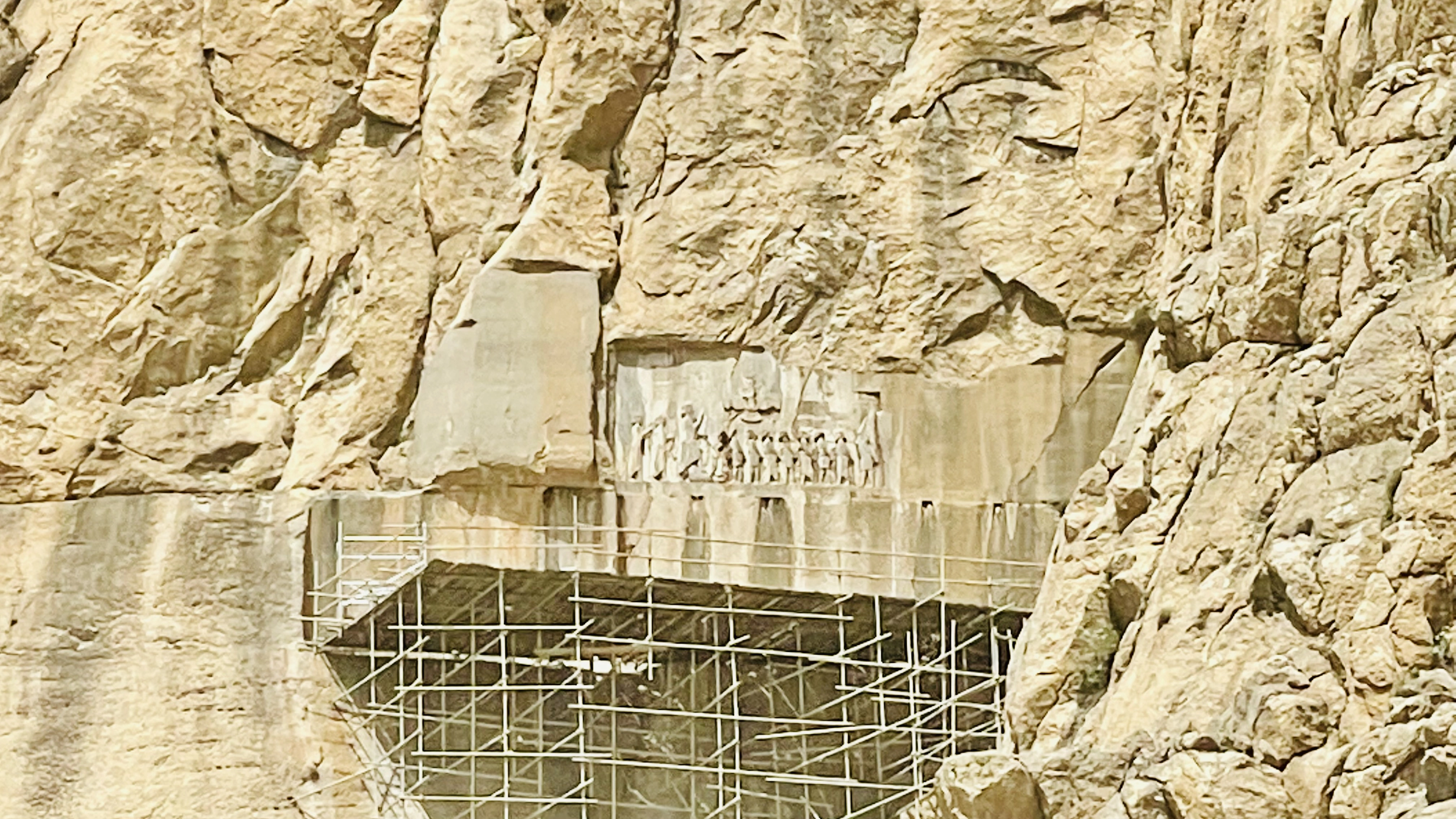
The Bisotun Historical Complex, located in Kermanshah Province, is one of Iran’s most significant UNESCO World Heritage Sites and a remarkable testament to ancient Persian history.
The most famous feature of this site is the Bisotun Inscription, a monumental rock relief and trilingual inscription commissioned by Darius the Great in the 6th century BC. Written in Old Persian, Elamite, and Babylonian languages, this remarkable document provides valuable insights into the history of the Achaemenid Empire.
Recognized as one of the most important historical inscriptions in the world, Bisotun represents the artistic achievements, political history, and cultural legacy of ancient Persia.
Armenian Monastic Ensembles of Iran
The Armenian Monastic Ensembles of Iran, inscribed on the UNESCO World Heritage List, represent the rich Christian heritage and Armenian culture in northwestern Iran.
Located in West Azerbaijan Province, this remarkable complex includes the Monasteries of St. Thaddeus, St. Stepanos, and the Chapel of Dzordzor. Their unique architecture, religious significance, and artistic features reflect centuries of Armenian cultural presence and interaction with Iranian civilization.
With outstanding historical, social, and cultural value, these monasteries stand as important symbols of religious diversity and the shared heritage of Iran and the Armenian Christian tradition.
Shushtar Historical Hydraulic System
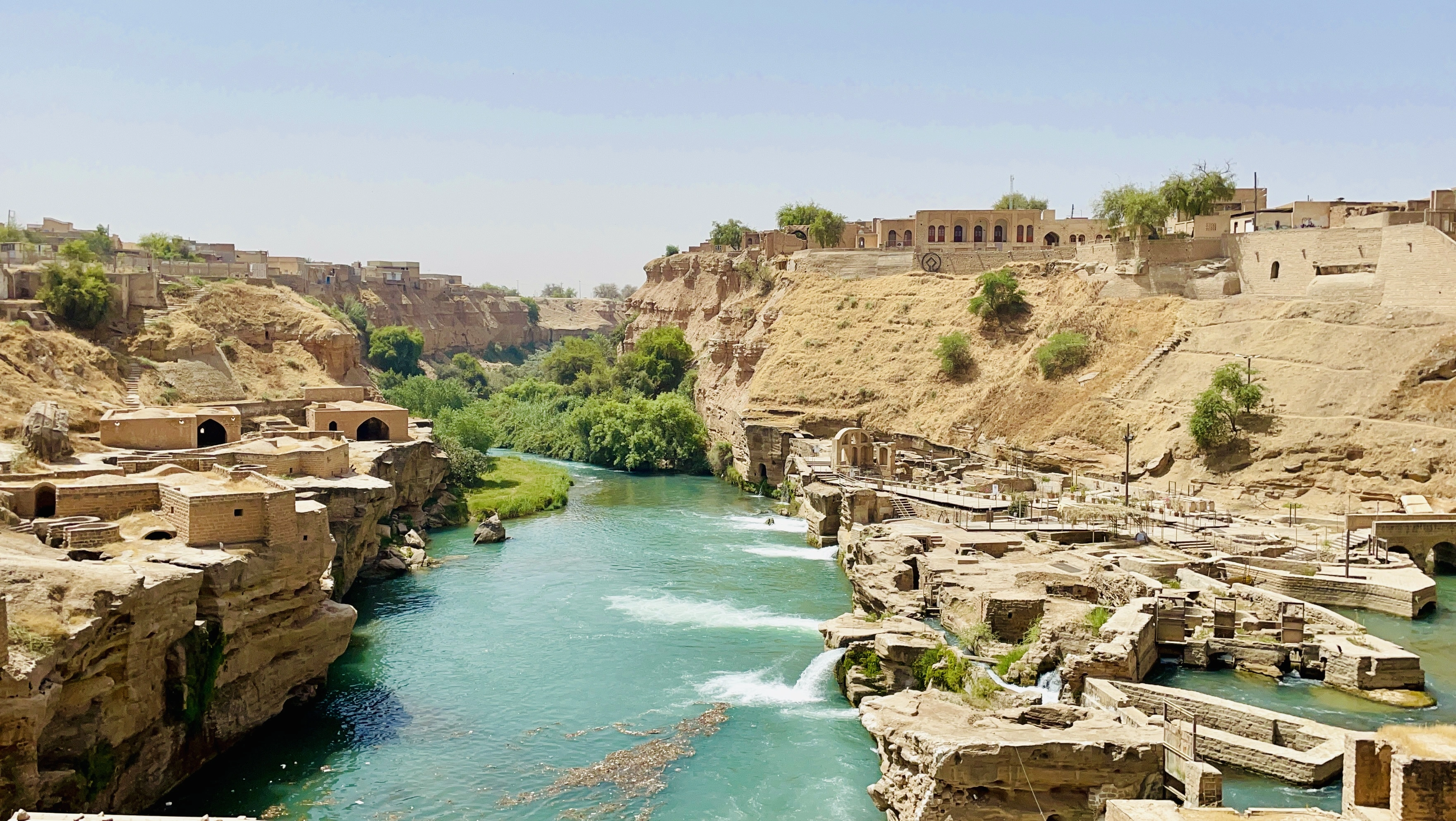
The Shushtar Historical Hydraulic System is one of Iran’s most remarkable UNESCO World Heritage Sites and a masterpiece of ancient water engineering.
Located in Khuzestan Province, this extraordinary complex demonstrates the advanced knowledge, creativity, and engineering skills of ancient Iranians in managing and utilizing water resources. Developed and expanded during different historical periods, from the Achaemenid era to the Sassanid period, the system includes dams, bridges, canals, tunnels, water mills, and waterfalls.
Recognized as an outstanding example of a complex hydraulic system, Shushtar reflects the ingenuity of ancient Persian engineering and remains one of the world’s most impressive historical water management achievements.
Tabriz Historic Bazaar Complex
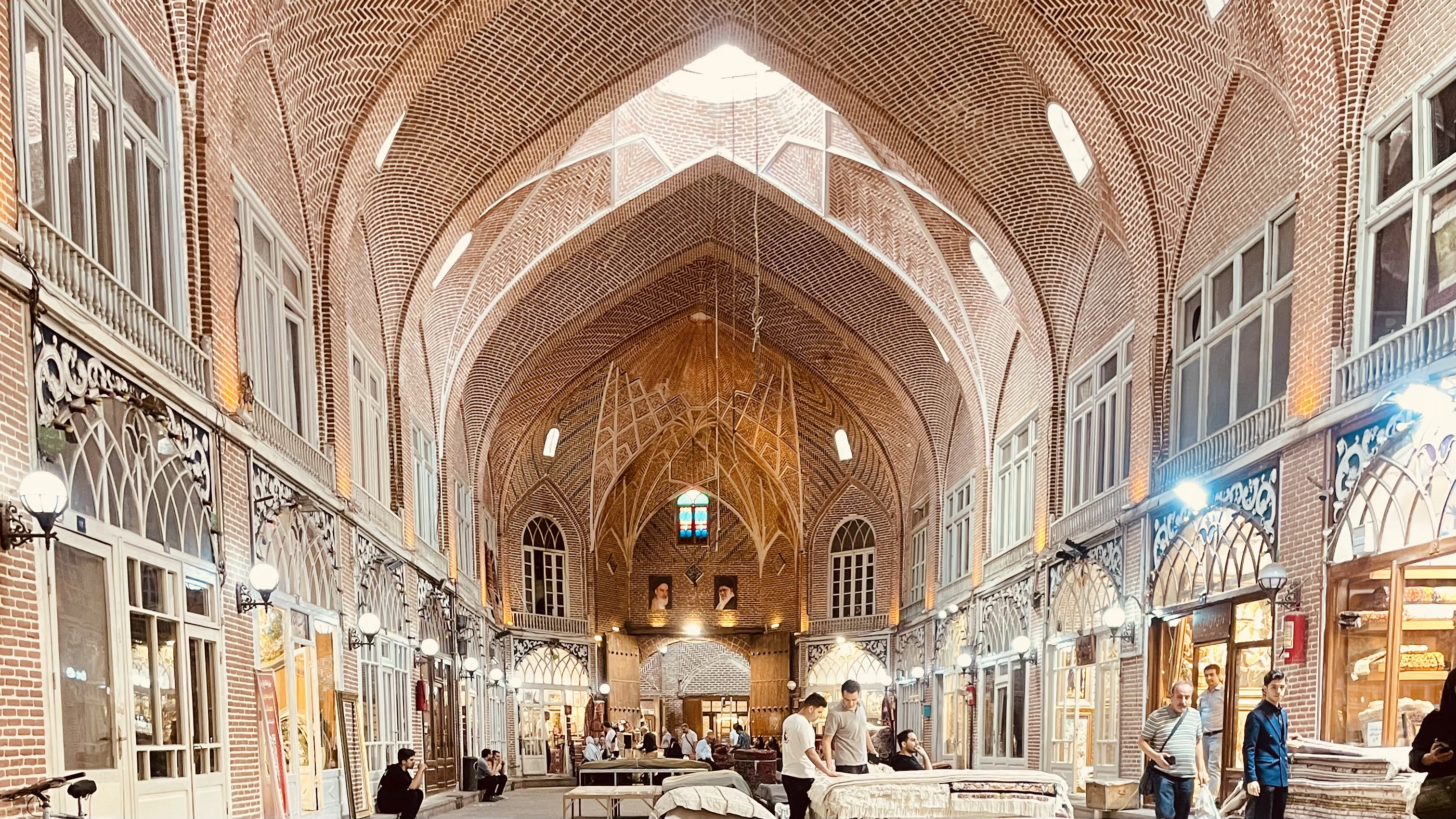
The Tabriz Historic Bazaar Complex is one of Iran’s most remarkable UNESCO World Heritage Sites and one of the oldest and largest covered bazaars in the world.
Located in the heart of Tabriz, this historic marketplace has played a significant role as a major commercial center along the Silk Road for centuries. With its interconnected passages, courtyards, caravanserais, mosques, and shops, the bazaar reflects the rich trading traditions and architectural heritage of Iran.
With thousands of shops and spaces representing a wide range of traditional crafts and businesses, Tabriz Bazaar remains a living symbol of Iran’s economic, cultural, and social history.
Sheikh Safi al-Din Khanegah and Shrine Ensemble
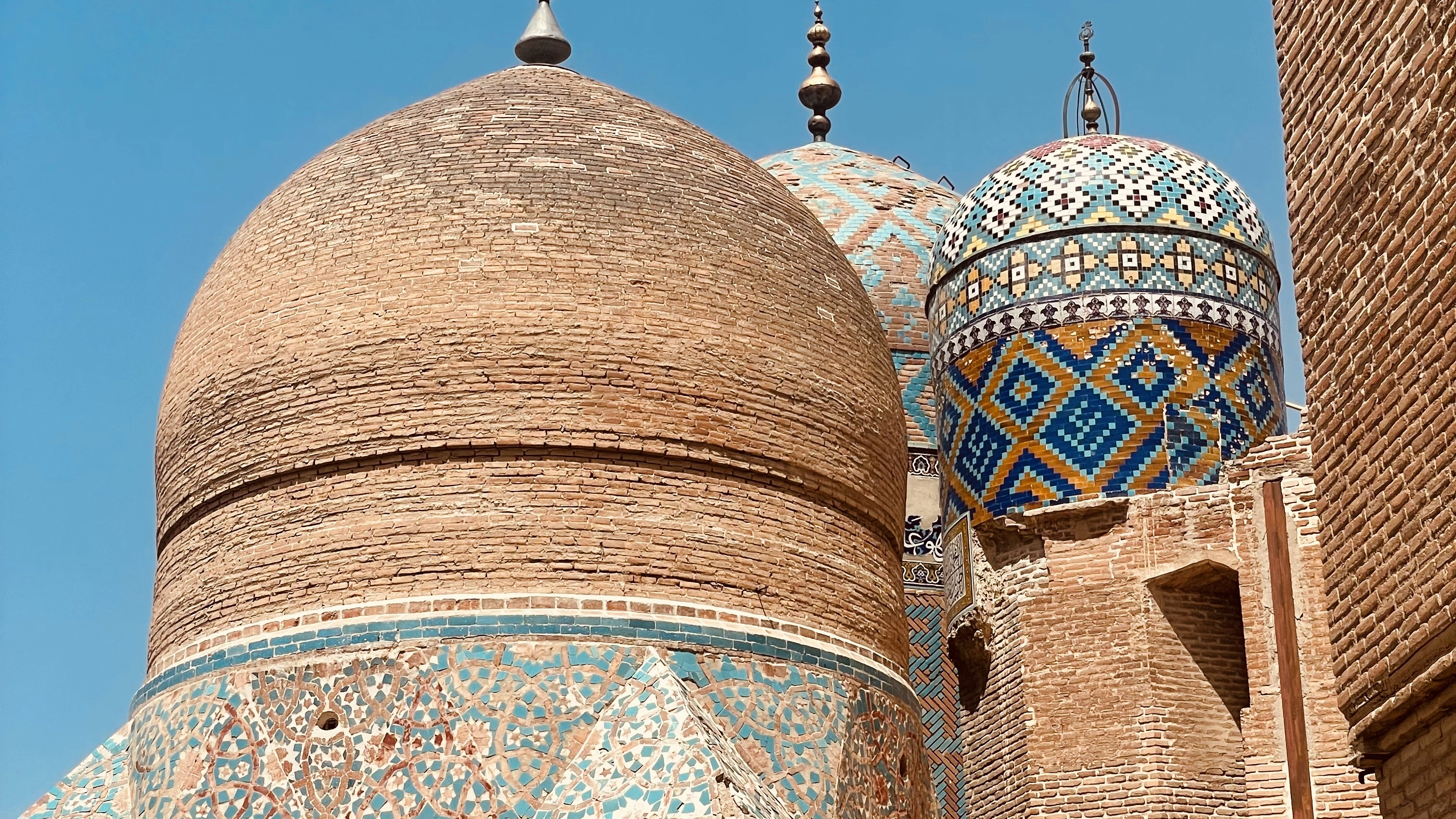
The Sheikh Safi al-Din Khanegah and Shrine Ensemble, located in Ardabil Province, is one of Iran’s most important UNESCO World Heritage Sites and a remarkable example of Islamic architecture and Sufi heritage.
Originally built as the residence and spiritual center of Sheikh Safi al-Din Ardabili, a prominent Iranian mystic and the founder of the Safavid spiritual order, the complex later became his mausoleum according to his will. Dating mainly from the Safavid era, the ensemble includes magnificent structures such as the shrine, prayer halls, courtyards, and beautifully decorated spaces.
With its outstanding architectural features, artistic details, and historical significance, the Sheikh Safi al-Din Ensemble represents the spiritual, cultural, and artistic achievements of Iran during the Islamic period.
The Persian Garden
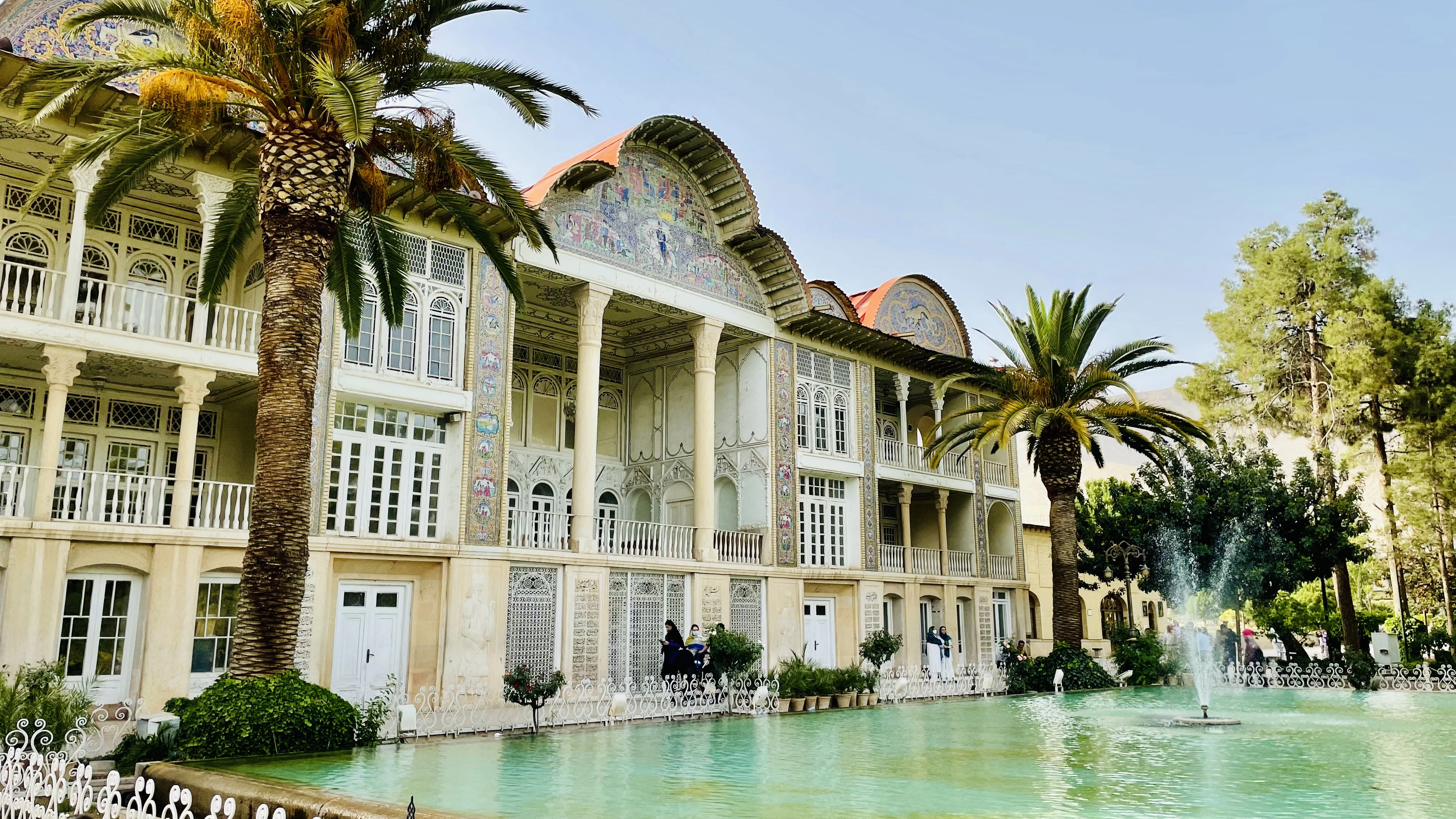
The Persian Garden is one of Iran’s most remarkable cultural heritage elements and a symbol of the deep connection between nature, art, and architecture in Iranian culture.
With a unique design based on symmetry, geometry, and the creative use of water, Persian gardens represent an outstanding example of landscape architecture developed over centuries. The combination of flowing water, trees, pavilions, and carefully planned spaces creates a peaceful and inspiring environment.
Nine historic Persian gardens have been inscribed on the UNESCO World Heritage List, representing the evolution and diversity of this ancient tradition:
* Eram Garden – Shiraz
* Pasargadae Garden – Pasargadae
* Chehel Sotoun Garden – Isfahan
* Fin Garden – Kashan
* Abbas Abad Garden – Behshahr
* Dolat Abad Garden – Yazd
* Akbarieh Garden – Birjand
* Pahlavanpur Garden – Mehriz
* Shazdeh Garden – Mahan
Together, these gardens showcase the creativity, elegance, and enduring legacy of Iranian landscape design.
Jameh Mosque of Isfahan
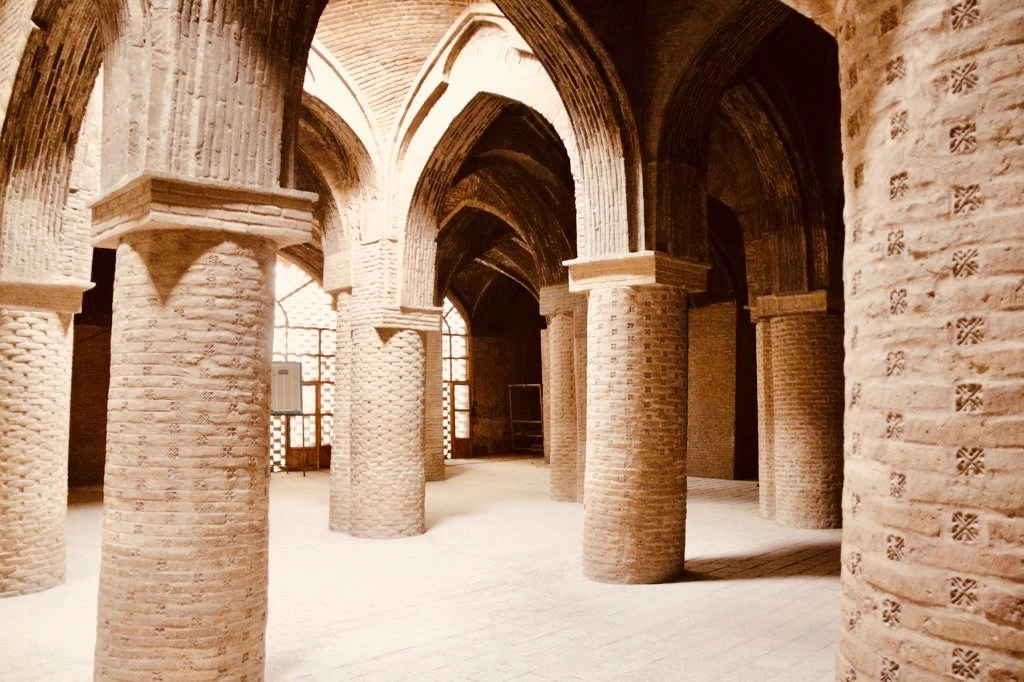
The Jameh Mosque of Isfahan, one of Iran’s most significant UNESCO World Heritage Sites, is a masterpiece that reflects the evolution of Iranian architecture from the early Islamic period to later centuries.
Located in the historic center of Isfahan, this magnificent mosque showcases more than a thousand years of architectural development, innovation, and artistic excellence. Its famous four-iwan design became a model that influenced the architecture of many mosques across Iran and beyond.
With its remarkable domes, intricate tilework, brick decorations, and harmonious design, the Jameh Mosque of Isfahan stands as one of the greatest achievements of Islamic architecture and a symbol of Iran’s rich cultural heritage.
Gonbad-e Qabus Tower
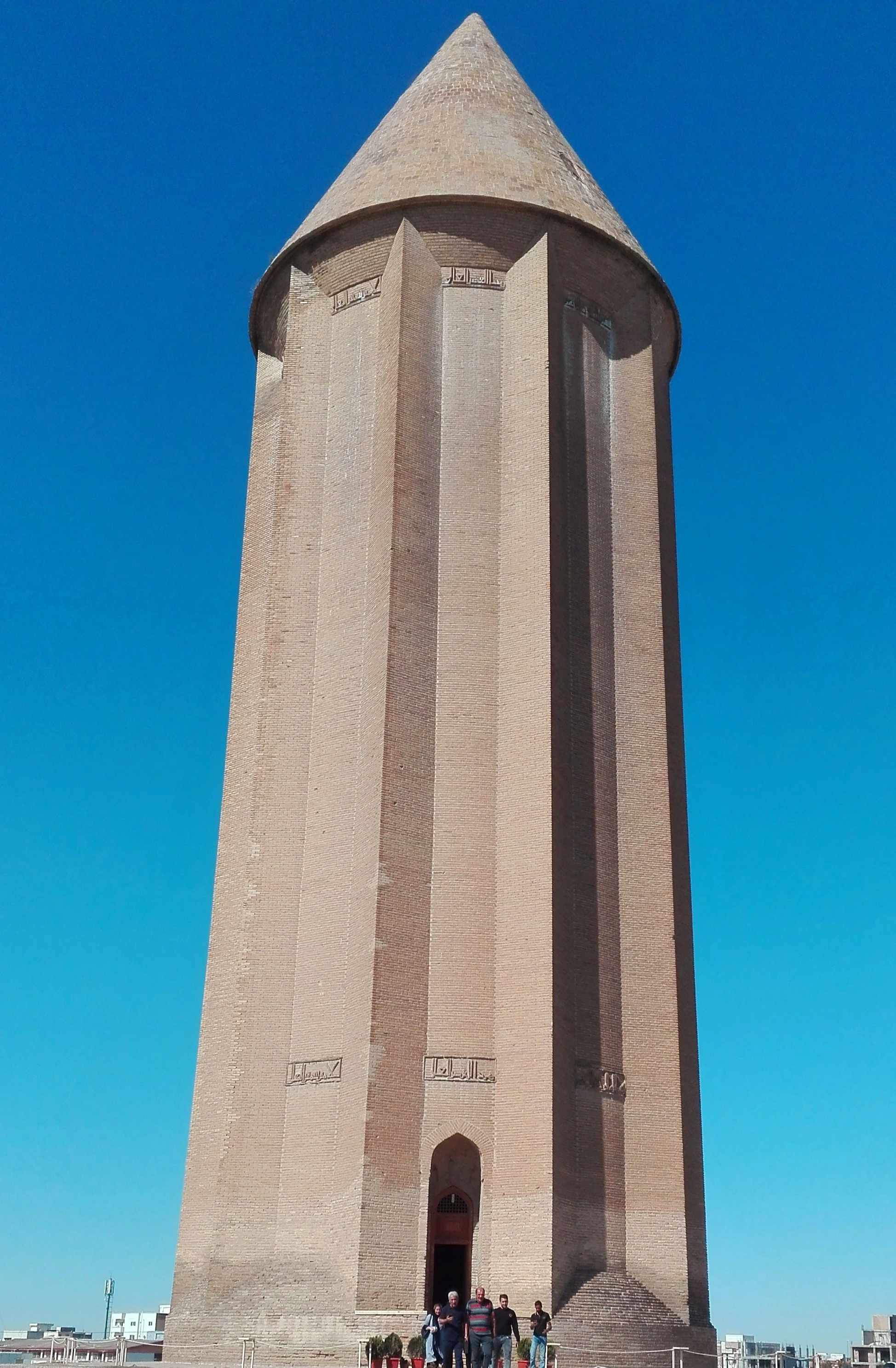
The Gonbad-e Qabus Tower, located in Golestan Province in northern Iran, is one of Iran’s most remarkable UNESCO World Heritage Sites and a masterpiece of early Islamic architecture.
Built in the 11th century (4th century AH) during the Ziyarid dynasty, this magnificent monument is the tallest all-brick tower in the world. Its unique cylindrical structure, precise engineering, and impressive brickwork demonstrate the advanced architectural knowledge of its time.
Recognized as an outstanding example of Iranian architecture and historical engineering, Gonbad-e Qabus Tower remains a remarkable symbol of Iran’s scientific, artistic, and cultural achievements.
Golestan Palace
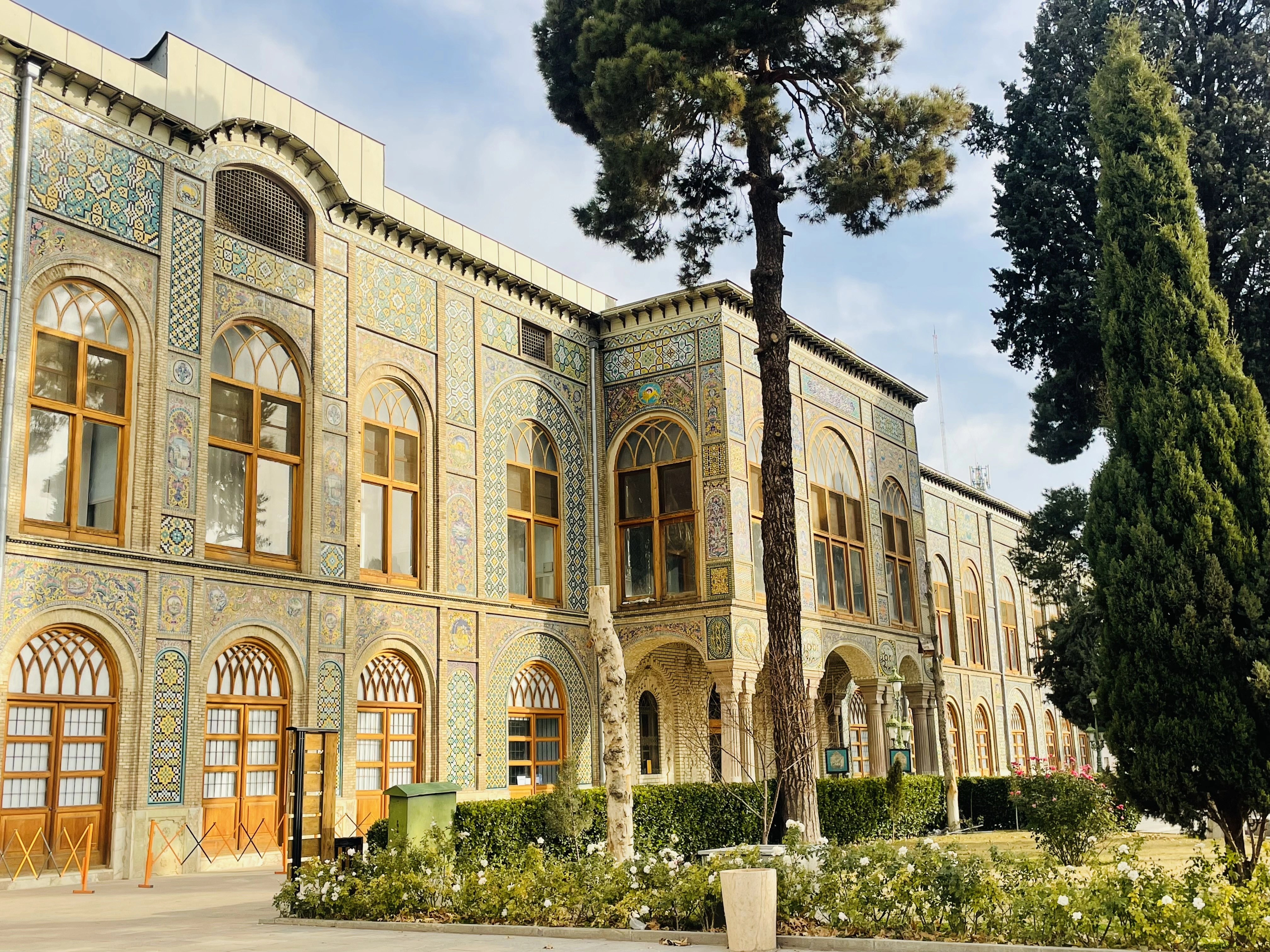
Golestan Palace, located in the heart of Tehran, is one of Iran’s most remarkable UNESCO World Heritage Sites and a unique historical complex consisting of palaces, halls, gardens, and courtyards.
Originally developed during the Safavid era, the complex reached its greatest importance during the Qajar period, when it became the royal residence and the center of political power for Qajar kings. The palace witnessed many significant historical events and reflects the artistic, architectural, and cultural influences of different periods in Iranian history.
With its magnificent tilework, mirror halls, traditional gardens, and European-inspired architectural elements, Golestan Palace represents a unique blend of Persian art and history in the heart of Iran’s capital.
Shahr-e Sukhteh (Burnt City)
Shahr-e Sukhteh, also known as the Burnt City, is one of Iran’s most remarkable UNESCO World Heritage Sites and the remains of one of the world’s oldest urban settlements. Located in Sistan and Baluchestan Province, this ancient city dates back to around 3200 BC and covers an area of approximately 280 hectares.
The site provides valuable insights into the social, cultural, and technological achievements of an ancient civilization. The remains of the city include residential areas, public and central structures, industrial workshops, monuments, and an extensive cemetery.
Famous for its extraordinary archaeological discoveries, Shahr-e Sukhteh has revealed remarkable evidence of ancient innovation, including one of the world’s earliest artificial eyes, an ancient backgammon set, and evidence of early medical practices such as brain surgery.
This ancient city stands as a remarkable testament to the creativity, knowledge, and advanced society of prehistoric Iran.
Meymand Cultural Landscape
Meymand Cultural Landscape, located in Kerman Province, is one of Iran’s remarkable UNESCO World Heritage Sites and one of the world’s most unique rock settlements.
Situated approximately 38 kilometers northeast of Shahr-e Babak, Meymand is an ancient village featuring hand-carved rock houses, caves, historical structures, and cultural landscapes that reflect thousands of years of human adaptation to a challenging natural environment.
The village represents one of the earliest examples of human settlement in Iran, where generations of inhabitants have preserved a unique way of life connected to the surrounding landscape. Its remarkable architecture and cultural traditions make Meymand a valuable symbol of Iran’s ancient heritage and human creativity.
Susa
The ancient city of Susa, one of Iran’s most significant UNESCO World Heritage Sites, is among the oldest continuously inhabited settlements in the world. Located in Khuzestan Province, this historic city has a history dating back to around 4000 BC.
Susa was an important political, cultural, and economic center throughout different periods, including the Elamite, Achaemenid, and later civilizations. Archaeological discoveries at the site include administrative buildings, residential areas, palaces, and other structures that reveal the importance and grandeur of this ancient city.
During the Achaemenid period, Susa served as one of the empire’s major capitals and the winter residence of the Achaemenid kings. Today, the ancient city of Susa stands as a remarkable testament to thousands of years of Iranian history and civilization.
The Persian Qanat
The Persian Qanat is one of Iran’s remarkable UNESCO World Heritage Sites, representing an ancient and ingenious water management system developed to provide sustainable access to water in Iran’s dry and arid regions.
For thousands of years, qanats have played a vital role in supporting settlements, agriculture, and daily life by transferring groundwater through underground channels. Their unique construction techniques, impressive length, depth, and historical importance demonstrate the advanced engineering knowledge of ancient Iranians.
Eleven qanats across Iran have been inscribed on the UNESCO World Heritage List, representing the diversity and excellence of this traditional water system:
* Qasabeh Qanat – Gonabad
* Baladeh Qanat – Ferdows
* Hasan Abad-e Moshir Qanat – Yazd
* Zarch Qanat – Yazd
* Ebrahim Abad Qanat – Arak
* Mozdabad Qanat – Meymeh
* Vazvan and Moon Qanats – Isfahan
* Goharriz Qanat – Jopar
* Akbar Abad Qanat – Bam
* Qasem Abad Qanat – Bam
Together, these qanats showcase the creativity, adaptation, and environmental knowledge of Iranian civilization in managing one of the most precious natural resources: water.
Historic City of Yazd
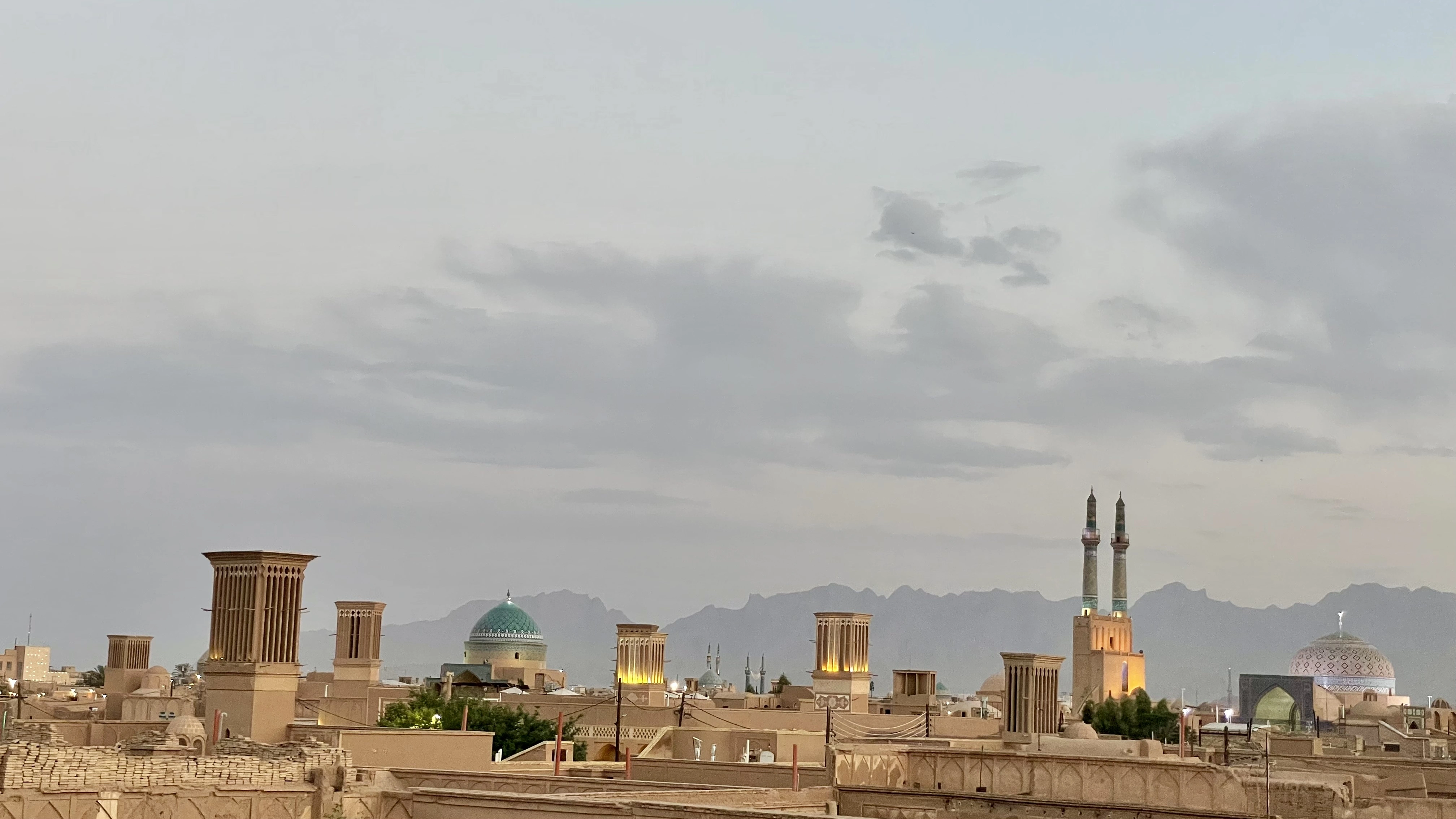
The Historic City of Yazd, one of Iran’s UNESCO World Heritage Sites, is one of the oldest urban settlements in the world and a remarkable example of adaptation to life in a desert environment.
Located in central Iran, Yazd is renowned for its unique architecture, traditional adobe buildings, and ingenious windcatchers (badgirs), which have earned it the title of the “City of Windcatchers.” These traditional cooling systems demonstrate the creativity and environmental knowledge of Iranian architecture.
The historic city is home to many remarkable landmarks, including Jameh Mosque of Yazd, Amir Chakhmaq Complex, traditional houses, bazaars, and other cultural treasures. With its preserved urban fabric and rich heritage, Yazd represents the harmony between human creativity, architecture, and the natural environment.
Sassanid Archaeological Landscape of Fars Region
The Sassanid Archaeological Landscape of Fars Region is one of Iran’s UNESCO World Heritage Sites, consisting of eight remarkable archaeological sites located in Firuzabad, Bishapur, and Sarvestan in Fars Province.
Dating back to the Sassanid period (224–651 AD), these sites include ancient cities, palaces, fortresses, and rock reliefs that reflect the power, culture, and architectural achievements of one of the most influential Persian empires.
The main components of this archaeological landscape include:
* Qal’eh Dokhtar (Maiden Castle)
* Ardashir Babakan’s Rock Reliefs
* Ardashir’s Victory Rock Relief over Ardavan
* Ardashir Khoreh (City of Gur)
* Ardashir Babakan Palace
* Ancient City of Bishapur
* Shapur Cave and the Statue of Shapur I
* Sassanian Palace of Sarvestan
Together, these monuments provide valuable insight into Sassanid architecture, urban planning, royal traditions, and the cultural legacy of ancient Persia.
The Trans-Iranian Railway
The Trans-Iranian Railway is one of Iran’s UNESCO World Heritage Sites and one of the most remarkable engineering achievements of modern Iran. Stretching from the Caspian Sea in the north to the Persian Gulf and the Gulf of Oman in the south, this railway connects diverse landscapes across the country.
Completed in 1938, the railway extends for approximately 1,394 kilometers and passes through eight provinces, including Golestan, Mazandaran, Semnan, Tehran, Qom, Markazi, Lorestan, and Khuzestan.
Built across challenging mountainous terrain, deserts, and valleys, the Trans-Iranian Railway represents outstanding engineering innovation and human adaptation to nature. Among its most impressive structures is the Varesk Bridge, a remarkable symbol of railway engineering during the Pahlavi era.
Today, the Trans-Iranian Railway stands as a valuable part of Iran’s industrial heritage and a unique journey through the country’s landscapes and history.
Hawraman / Uramanat Cultural Landscape
The Hawraman (Uramanat) Cultural Landscape is one of Iran’s UNESCO World Heritage Sites, located in the mountainous regions of Kurdistan and Kermanshah provinces in western Iran.
Known for its spectacular terraced villages, traditional architecture, and harmonious relationship between people and nature, Hawraman is often referred to as the “Thousand Masulehs” due to the unique stepped structure of its settlements. The region includes hundreds of villages that have preserved their traditional way of life for centuries.
Beyond its breathtaking landscapes, Hawraman is renowned for its rich cultural heritage, ancient traditions, music, and ceremonies. The Pir Shalyar ceremony, one of the region’s most important cultural events, reflects the deep spiritual and social values of the local communities.
Inscribed on the UNESCO World Heritage List, Hawraman represents a remarkable example of human adaptation to mountainous environments and the preservation of living cultural traditions.
Persian Caravanserai
The Persian Caravanserai is one of Iran’s UNESCO World Heritage Sites, representing one of the most remarkable achievements of Iranian architecture and travel infrastructure throughout history.
Built along ancient trade routes, especially the Silk Road, caravanserais were designed to provide shelter, safety, and essential services for travelers, merchants, and caravans. These historic structures reflect the creativity, engineering skills, and hospitality traditions of Iranian civilization.
With their unique architectural designs, courtyards, entrances, rooms, and service areas, Persian caravanserais played a vital role in the development of commerce and cultural exchange for centuries.
A collection of 54 historical caravanserais across 24 provinces of Iran has been inscribed on the UNESCO World Heritage List, representing the diversity and importance of this valuable heritage.
Hegmataneh
Hegmataneh, one of Iran’s UNESCO World Heritage Sites, is an ancient archaeological site located in the city of Hamadan in western Iran. With a history of continuous habitation spanning nearly three millennia, this remarkable site provides valuable evidence of the Medes civilization and the development of urban life in ancient Persia.
Believed to have been the capital of the Median Empire during the 7th and 6th centuries BCE, Hegmataneh later continued to serve as an important political and administrative center during the Achaemenid, Seleucid, Parthian, Sasanian, and Islamic periods.
The name Hegmataneh is associated with the ancient term “Hangmata,” meaning “place of gathering,” reflecting its historical role as a center of power and human interaction. Today, the site represents the rich cultural heritage and long history of one of the Middle East’s most significant ancient cities.
Prehistoric Sites of the Khorramabad Valley
The Prehistoric Sites of the Khorramabad Valley are among Iran’s most significant archaeological heritage sites, located in the Zagros Mountains of western Iran. This remarkable landscape includes five caves and one rock shelter within a rich ecological corridor shaped by abundant water resources, diverse flora, and wildlife.
With evidence of human presence dating back approximately 63,000 years, these sites provide valuable insights into the Middle and Upper Palaeolithic periods. Archaeological discoveries reveal traces of the Mousterian and Baradostian cultures, offering important information about early human development, adaptation, and migration across Eurasia.
The discovery of stone tools, decorative objects, and other artifacts demonstrates the technological skills and cognitive abilities of prehistoric communities that lived in the Zagros region. As an important area for archaeological research, the Khorramabad Valley continues to offer great potential for future discoveries about the earliest chapters of human history.
Lut Desert
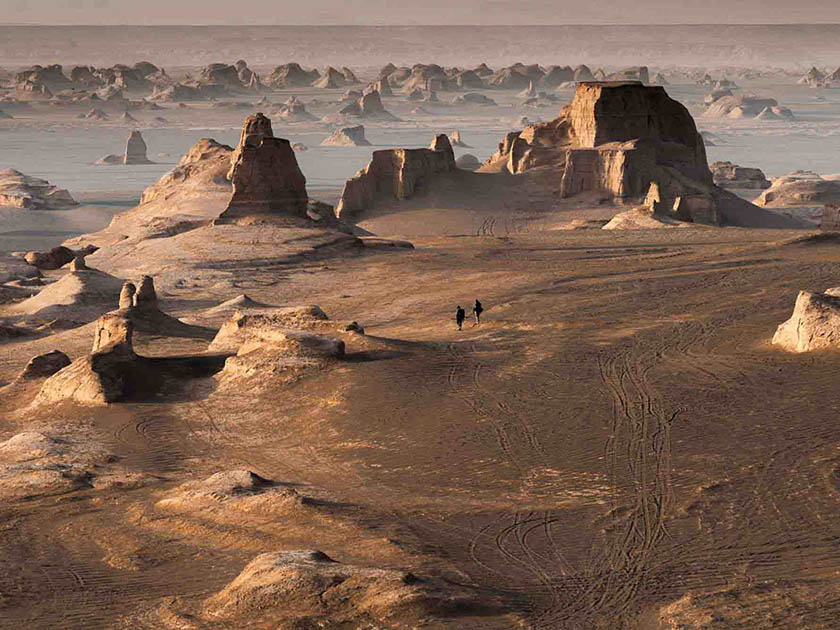
The Lut Desert (Dasht-e Lut), one of Iran’s UNESCO World Heritage Sites, is a spectacular natural landscape located in southeastern Iran. Recognized as one of the hottest places on Earth, this vast desert showcases some of the most remarkable examples of desert land forms and ongoing geological processes.
From June to October, strong seasonal winds shape the landscape by transporting sediments and creating impressive aeolian formations, including the famous yardangs (massive wind-carved ridges). The desert also features vast stony plains, sand dunes, and unique geological formations that demonstrate the power of natural forces over time.
With its extraordinary diversity of land forms and dramatic scenery, the Lut Desert represents one of the world’s most exceptional hot desert environments and a valuable example of Earth’s natural evolution.
Hyrcanian Forests
The Hyrcanian Forests, one of Iran’s UNESCO World Heritage Sites, are ancient broad-leaved forests stretching along the southern shores of the Caspian Sea in northern Iran. Dating back approximately 25 to 50 million years, these forests are among the world’s oldest surviving temperate forests and represent a unique natural ecosystem.
Covering a remarkable landscape of diverse habitats, the Hyrcanian Forests are home to more than 3,200 species of vascular plants, as well as numerous bird and mammal species, including the Persian leopard, wolf, and brown bear. The forests also preserve rare and endemic tree species, with some trees reaching several centuries in age.
With their exceptional biodiversity, ancient history, and ecological importance, the Hyrcanian Forests are a valuable natural heritage site and a remarkable example of the long-lasting relationship between nature and life on Earth.