About Iran Details
IRANIAN CULTURE & HERITAGE
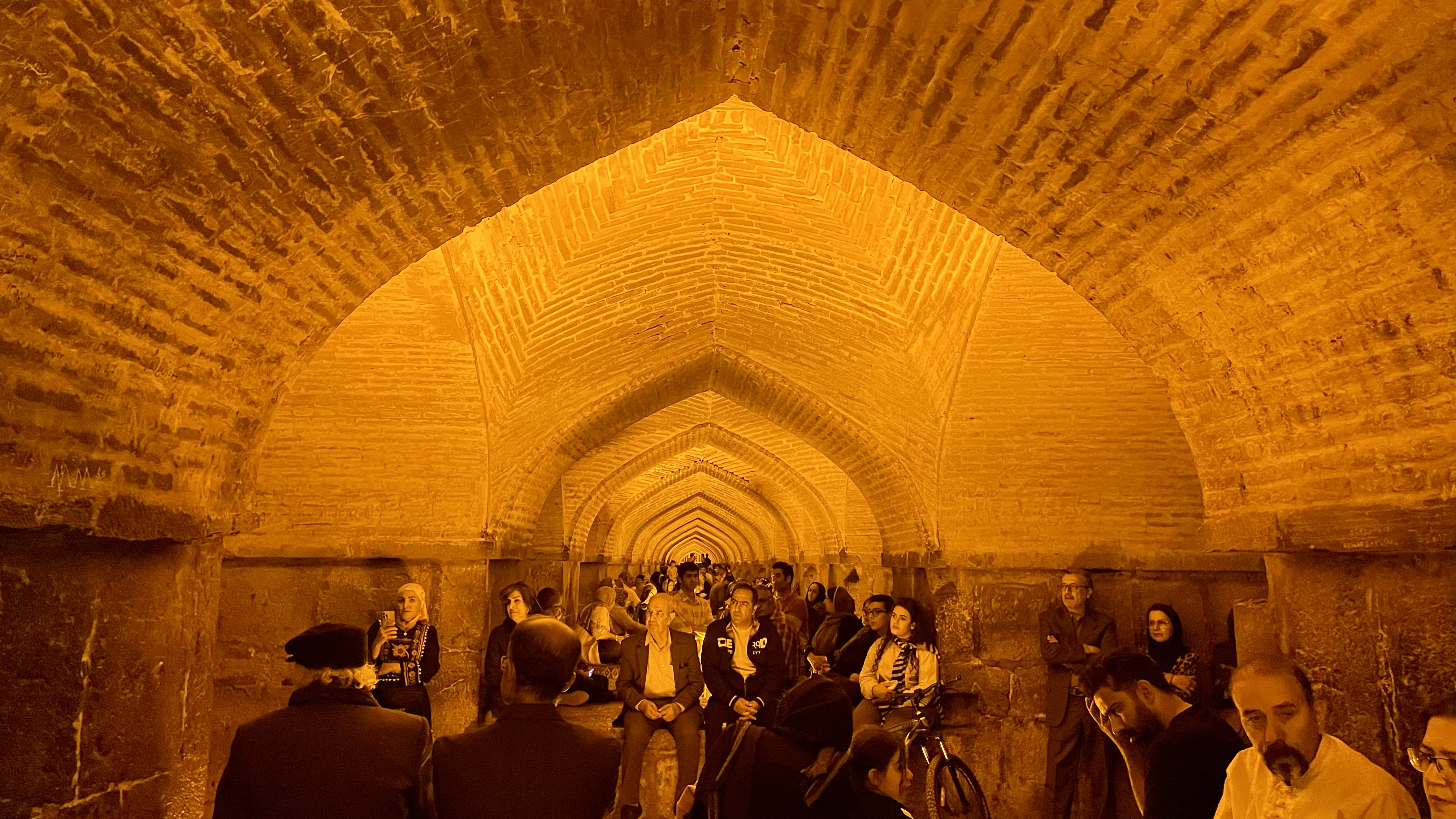
Iran is a land of ancient civilizations, rich traditions, and diverse cultural heritage. With a history spanning thousands of years, the country offers a unique combination of ancient monuments, traditional arts, local customs, and living cultural experiences.
From the magnificent ruins of Persepolis and Pasargadae, the ancient cities of Susa and Hegmataneh, to the historic bazaars, mosques, gardens, and traditional neighborhoods of Isfahan, Yazd, Shiraz, Tabriz, and Kermanshah, Iran provides countless opportunities to discover the legacy of one of the world’s oldest civilizations.
Beyond its historical sites, Iran’s culture is reflected in its poetry, music, handicrafts, architecture, cuisine, festivals, and warm hospitality. Every region of Iran has its own unique traditions and stories, offering travelers an authentic and unforgettable cultural experience.
Exploring Iran means experiencing a living heritage where the past and present come together in a fascinating journey through history and culture.
 IRANIAN ARCHITECTURE
✔️ A JOURNEY THROUGH TIME
Iranian architecture is one of the most remarkable expressions of Persian culture, creativity, and history. Throughout thousands of years, Iranian architects have created extraordinary structures that combine beauty, functionality, and deep cultural meanings.
From ancient palaces and historical cities to magnificent mosques, traditional houses, gardens, and bazaars, Iranian architecture reflects the artistic achievements of different periods, including the Achaemenid, Sasanian, Islamic, Seljuk, Safavid, and Qajar eras.
The impressive ruins of Persepolis, the elegant domes and tilework of Isfahan’s mosques, the windcatchers and adobe buildings of Yazd, and the beautiful gardens and mansions of Shiraz represent different aspects of Iran’s architectural heritage.
Iranian architecture is also closely connected with the natural environment. Traditional elements such as windcatchers (Badgir), courtyards, water features, and the use of local materials demonstrate the creativity of Iranian builders in adapting to different climates.
Today, Iran’s historic buildings continue to tell stories of art, science, religion, and daily life, offering visitors a unique opportunity to experience the beauty of Persian civilization.
PERSIAN GARDENS
✔️THE ART OF PARADISE
Persian gardens, known as Bagh in Persian, are one of the most important symbols of Iranian art, culture, and harmony with nature. With a history dating back thousands of years, these gardens represent the Persian vision of paradise, where water, plants, architecture, and space come together in perfect balance.
The traditional Persian garden is designed based on a unique concept that combines symmetry, flowing water, shade, and carefully selected plants. Elements such as central pathways, fountains, pools, pavilions, and enclosed walls create a peaceful and inspiring environment.
Persian gardens have influenced garden design around the world and are recognized as an important part of Iran’s cultural heritage. The concept of the Persian Garden has been registered as a UNESCO World Heritage Site, representing a collection of historic gardens from different regions of Iran.
Some of the most famous Persian gardens include:
✔️Eram Garden (Shiraz) – famous for its beautiful landscape, historic mansion, and variety of plants.
✔️Fin Garden (Kashan) – one of the oldest surviving Persian gardens, known for its elegant design and historic water system.
✔️ Dolat Abad Garden (Yazd) – home to one of Iran’s tallest traditional windcatchers (Badgir).
✔️ Shazdeh Garden (Kerman) – a stunning garden located in the middle of a desert landscape.
✔️ Chehel Sotoun Garden (Isfahan) – a royal Safavid garden with a magnificent pavilion and historical paintings.
Visiting a Persian garden offers travelers more than a beautiful view; it provides a deeper understanding of Iranian philosophy, architecture, and the relationship between humans and nature.
PERSIAN POETRY & LITERATURE
✔️THE VOICE OF IRAN
Persian literature is one of the most valuable cultural treasures of Iran, with a history spanning more than a thousand years. Poetry has always held a special place in Iranian society, reflecting the emotions, philosophy, spirituality, and everyday life of the Persian people.
Persian poets have created some of the world’s most influential literary works, exploring themes such as love, wisdom, nature, morality, and the search for truth. Their works have been translated into many languages and continue to inspire readers around the world.
Among the most celebrated Persian poets are:
✔️ Hafez (14th century) – One of Iran’s greatest poets, famous for his lyrical poetry and the spiritual depth of his Divan of Hafez. His tomb in Shiraz, known as Hafezieh, is one of the most visited cultural sites in Iran.
✔️ Saadi (13th century) – A renowned poet and writer from Shiraz, known for his masterpieces Gulistan (The Rose Garden) and Bustan (The Orchard), which contain timeless lessons about humanity, ethics, and wisdom.
✔️ Rumi (Molana) (13th century) – One of the world’s most famous mystical poets, whose poetry about love, spirituality, and human connection has gained international recognition.
✔️ Ferdowsi (10th–11th century) – The author of Shahnameh (The Book of Kings), the national epic of Iran, which preserves ancient Persian myths, legends, and history.
Poetry is not only a literary tradition in Iran; it is a living part of Iranian culture. Many Iranians still read poetry, celebrate poets, and use verses in daily conversations and special occasions.
Visiting places such as Hafezieh and Saadieh in Shiraz, Ferdowsi’s Tomb in Tus, and cultural centers throughout Iran allows travelers to experience the deep connection between Persian language, art, and identity.
IRANIAN MUSIC & TRADITIONAL ARTS
✔️THE SOUL OF PERSIAN CULTURE
Iranian traditional arts represent centuries of creativity, passion, and cultural expression. From classical music and handmade instruments to miniature painting, calligraphy, and decorative arts, these traditions reflect the artistic spirit of Persian civilization.
✔️Traditional Iranian Music
Persian music has a long history and is deeply connected with poetry, storytelling, and spirituality. Traditional Iranian music is based on a collection of melodic structures known as Radif, which has been passed down through generations.
Traditional instruments such as the Tar, Setar, Santur, Kamancheh, Ney, and Tombak create the unique sounds of Persian music. Iranian classical music is often performed alongside poetry, especially the works of great poets such as Hafez and Rumi.
✔️Persian Miniature Painting
Persian miniature is one of Iran’s most delicate and admired artistic traditions. This detailed form of painting often represents scenes from literature, mythology, nature, and royal life, using fine lines, vivid colors, and intricate details.
✔️Calligraphy
Calligraphy has always held a special place in Persian art and culture. Beautiful handwritten works of Persian poetry and religious texts demonstrate the importance of language, beauty, and artistic expression in Iranian heritage.
✔️Traditional Decorative Arts
Iran is also famous for its diverse decorative arts, including enamel work (Minakari), Khatamkari (inlay work), tile painting, wood carving, metalwork, and carpet weaving. These arts continue to be practiced by skilled artisans across the country.
Experiencing Iranian music and traditional arts allows visitors to discover the creative soul of Iran and connect with a culture that has been shaped by thousands of years of artistic achievement.