About Iran Details
GEOGRAPHY AND ENVIRONMENT
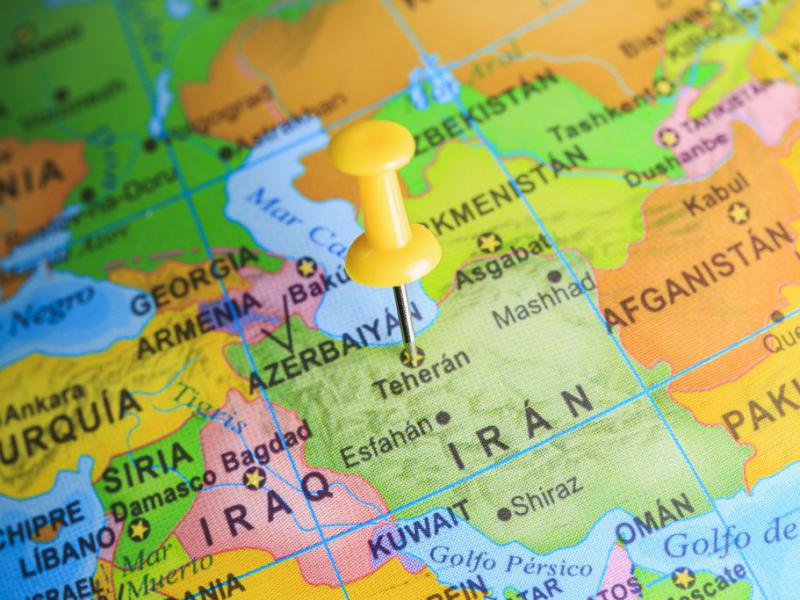
Iran, officially known as the Islamic Republic of Iran, is a vast and historically rich country located in Southwest Asia and the Middle East. With a population of over 90 million people and an area of approximately 1,648,195 square kilometers, Iran is one of the largest and most geographically diverse countries in the region.
Iran shares land borders with seven countries: Iraq, Turkey, Azerbaijan, Armenia, Turkmenistan, Afghanistan, and Pakistan. To the south, the country has coastlines along the Persian Gulf and the Gulf of Oman, connecting it with important maritime routes and neighboring countries in the region.
Iran’s natural landscapes are remarkably diverse, shaped by major mountain ranges, vast deserts, fertile plains, and coastal regions. The Alborz Mountains in the north and the Zagros Mountains in the west and southwest create breathtaking scenery of peaks, valleys, and highlands.
From the lush forests and shores of the Caspian Sea to the deserts of central Iran and the warm islands of the Persian Gulf, Iran offers an extraordinary variety of natural environments, making it a destination of exceptional beauty and diversity.
 Natural Attractions | Mountains
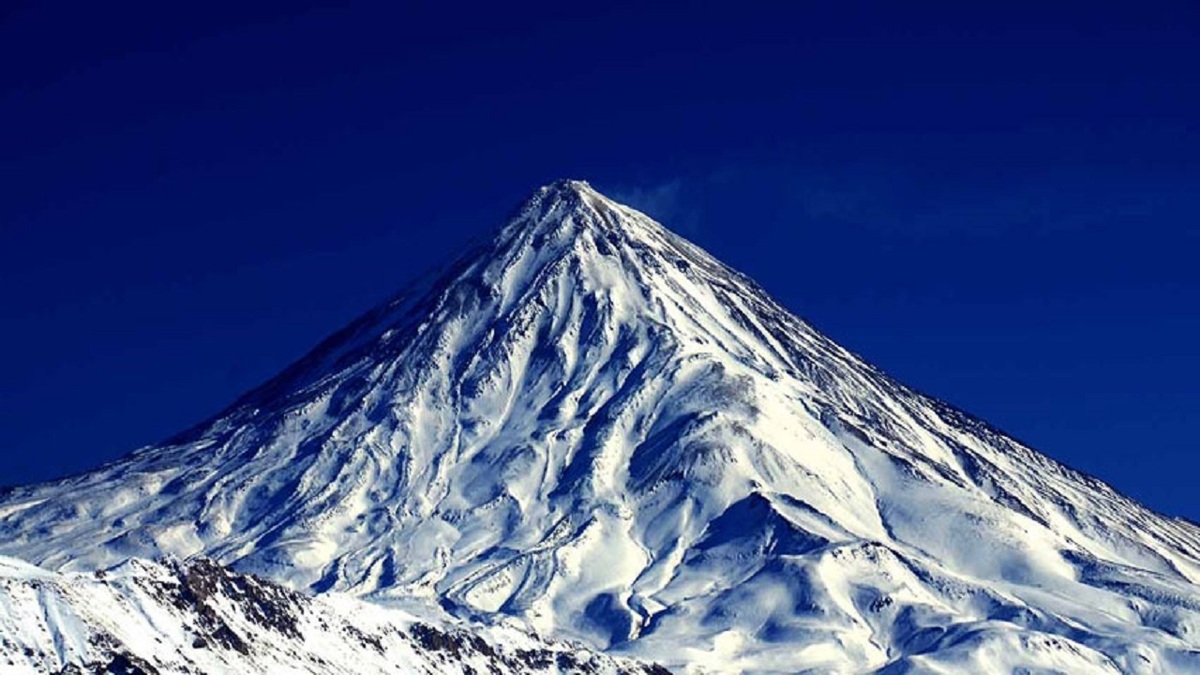
Mountains of Iran
Iran is home to some of the most impressive mountain landscapes in the Middle East, with several peaks rising above 4,000 meters. The country’s major mountain ranges, especially the Alborz and Zagros, offer spectacular scenery and are popular destinations for nature lovers, hikers, and adventure travelers.
✔️Some of Iran’s most remarkable peaks include:
* Mount Damavand – Located northeast of Tehran, Mount Damavand is the highest peak in Iran and the Middle East, rising to 5,671 meters above sea level. This iconic volcanic mountain is a national symbol of Iran.
* Alam-Kuh – Situated in the central Alborz Mountains, Alam-Kuh reaches an elevation of 4,850 meters and is famous for its dramatic northern face and challenging climbing routes.
* Mount Sabalan – Located west of Ardabil Province, Sabalan stands at 4,811 meters and is known for its volcanic landscape, beautiful crater lake, and natural scenery.
Natural Attractions | Coasts
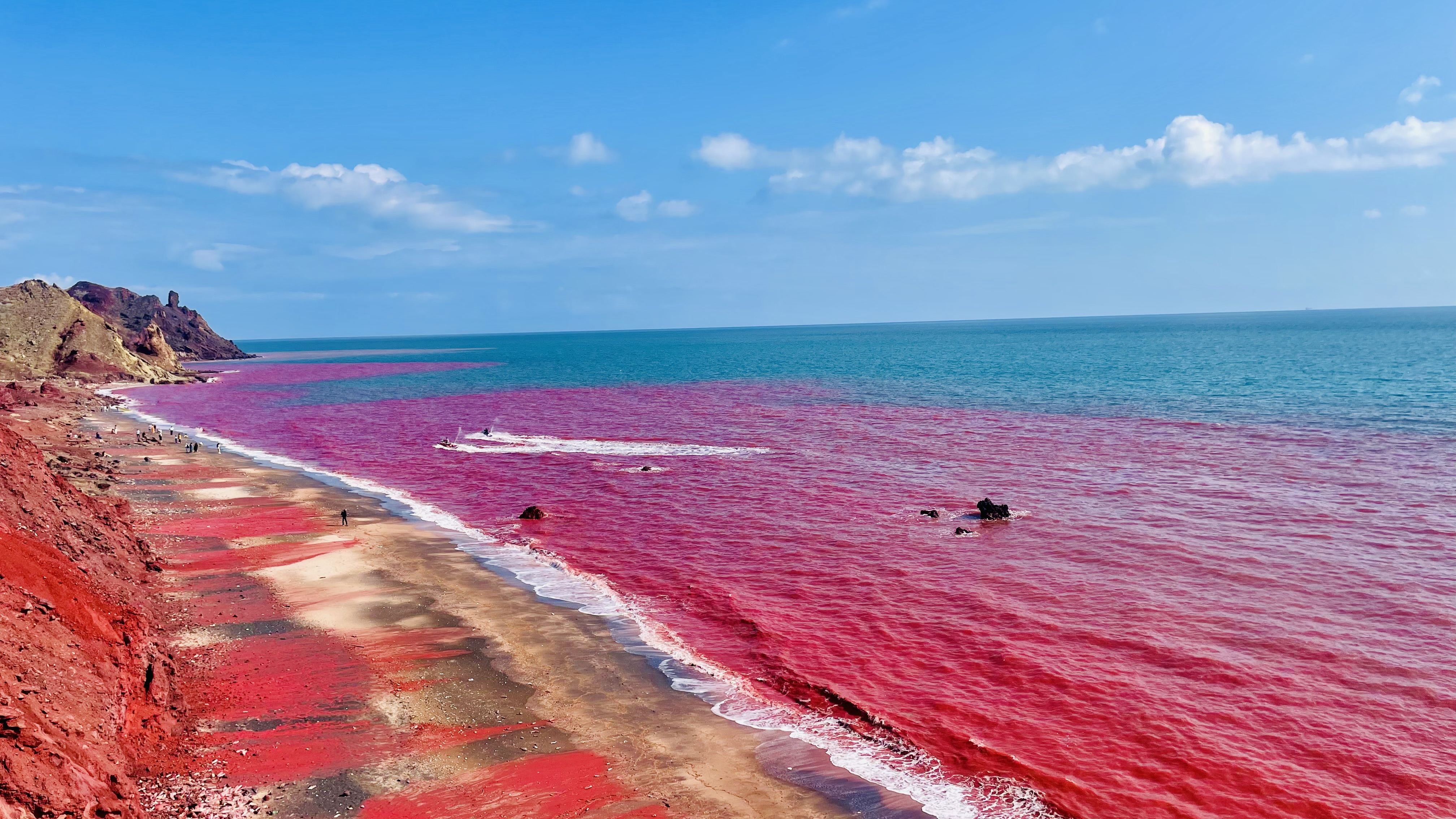
Coasts of Iran
Iran is surrounded by two remarkable coastal regions, each offering unique landscapes, cultural experiences, and natural attractions.
✔️The Caspian Sea Coast
The northern shores of Iran along the Caspian Sea are known for their lush forests, fertile plains, and beautiful landscapes. With a mild climate and abundant natural resources, this region is famous for its rice fields, tea plantations, citrus orchards, and traditional villages.
The Caspian coast is also known for its fishing traditions, especially sturgeon fishing, which produces some of the world’s finest caviar. Its forests, sandy beaches, and scenic views make it one of Iran’s most popular destinations for relaxation and nature tourism.
✔️The Persian Gulf and Gulf of Oman Coasts
The southern coastline of Iran stretches for more than 1,800 kilometers along the Persian Gulf and the Gulf of Oman. These shores have played an important role in trade, maritime connections, and cultural exchange throughout history.
Today, coastal cities such as Bandar Abbas, Bushehr, and Chabahar, along with islands including Hormuz, Kish, and Qeshm, offer a unique combination of natural beauty, historical heritage, local culture, and marine attractions, making southern Iran an exceptional destination for travelers.
Central Plateau and Deserts of Iran
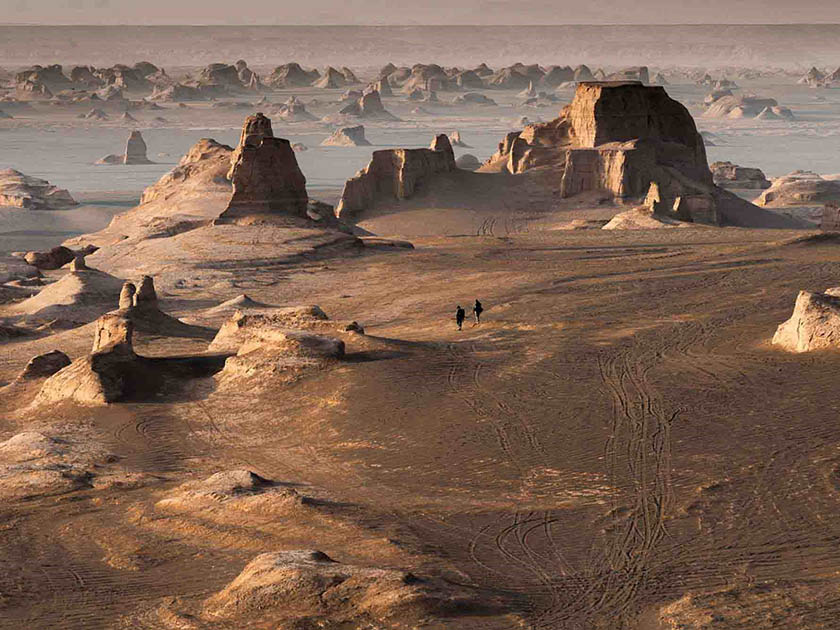
The central plateau of Iran is a vast and fascinating region characterized by dramatic landscapes, unique ecosystems, and valuable natural resources. Although the area has limited agricultural activity due to its arid climate, it holds significant underground resources and geological importance.
Iran’s central deserts, including the Dasht-e Kavir and the Lut Desert, are among the most remarkable desert landscapes in the world. With their vast salt plains, sand dunes, and distinctive natural formations, these regions offer extraordinary scenery and a unique experience for adventure and nature travelers.
For centuries, these deserts served as important routes for trade caravans traveling between East and West. Today, they continue to reveal the beauty of Iran’s natural heritage through their untouched landscapes, traditional desert settlements, and rich cultural history.