About Iran Details
CLIMATE AND WEATHER IN IRAN
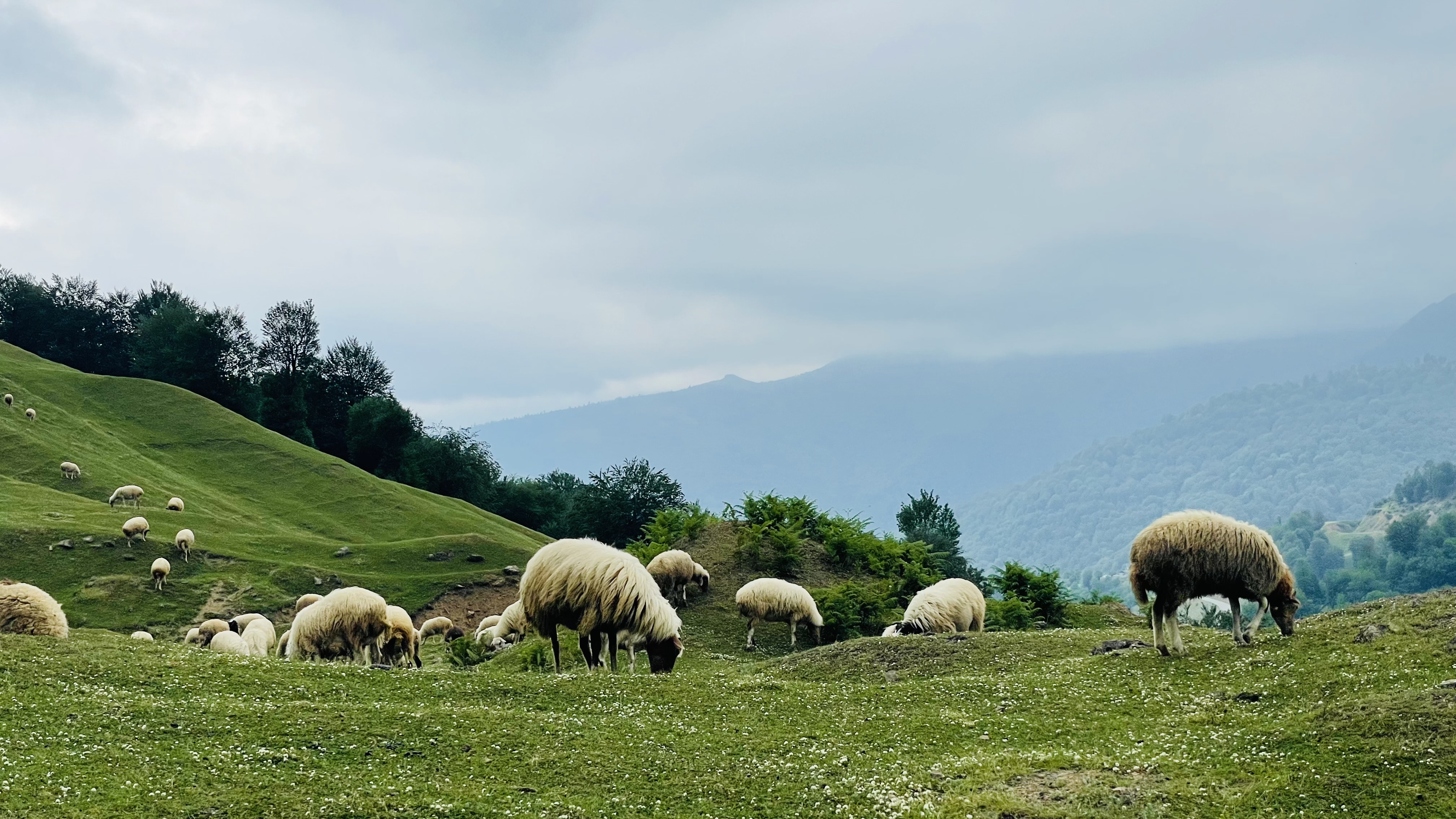
Iran’s climate is generally dry, as much of the country is located within the world’s arid climate belt. However, the presence of the Alborz and Zagros mountain ranges creates significant climatic diversity by influencing weather patterns and limiting the movement of humid air from the Caspian Sea and the Mediterranean region into the Iranian Plateau.
Stretching between approximately 25 and 40 degrees north latitude and featuring a wide range of elevations, Iran experiences several different climate zones, from humid coastal areas and snowy mountains to dry deserts and warm southern shores.
In the northwestern and mountainous regions, winters are cold, with heavy snowfall and temperatures often below freezing. Spring and autumn are generally mild and pleasant, while summers are typically dry and warm.
In the southern regions, winters are mild and comfortable, making this area an ideal destination during the colder months. Summers are very hot, with temperatures in some areas exceeding 38°C (100°F) in July. The Khuzestan Plain experiences high temperatures combined with high humidity during the summer season.
Thanks to its diverse climate, Iran offers unique travel experiences throughout the year, from skiing in mountain resorts and exploring snowy landscapes to enjoying deserts, islands, and coastal areas during the cooler seasons.